
Black Dolls & Bookshelves
Notes on the girls we once were

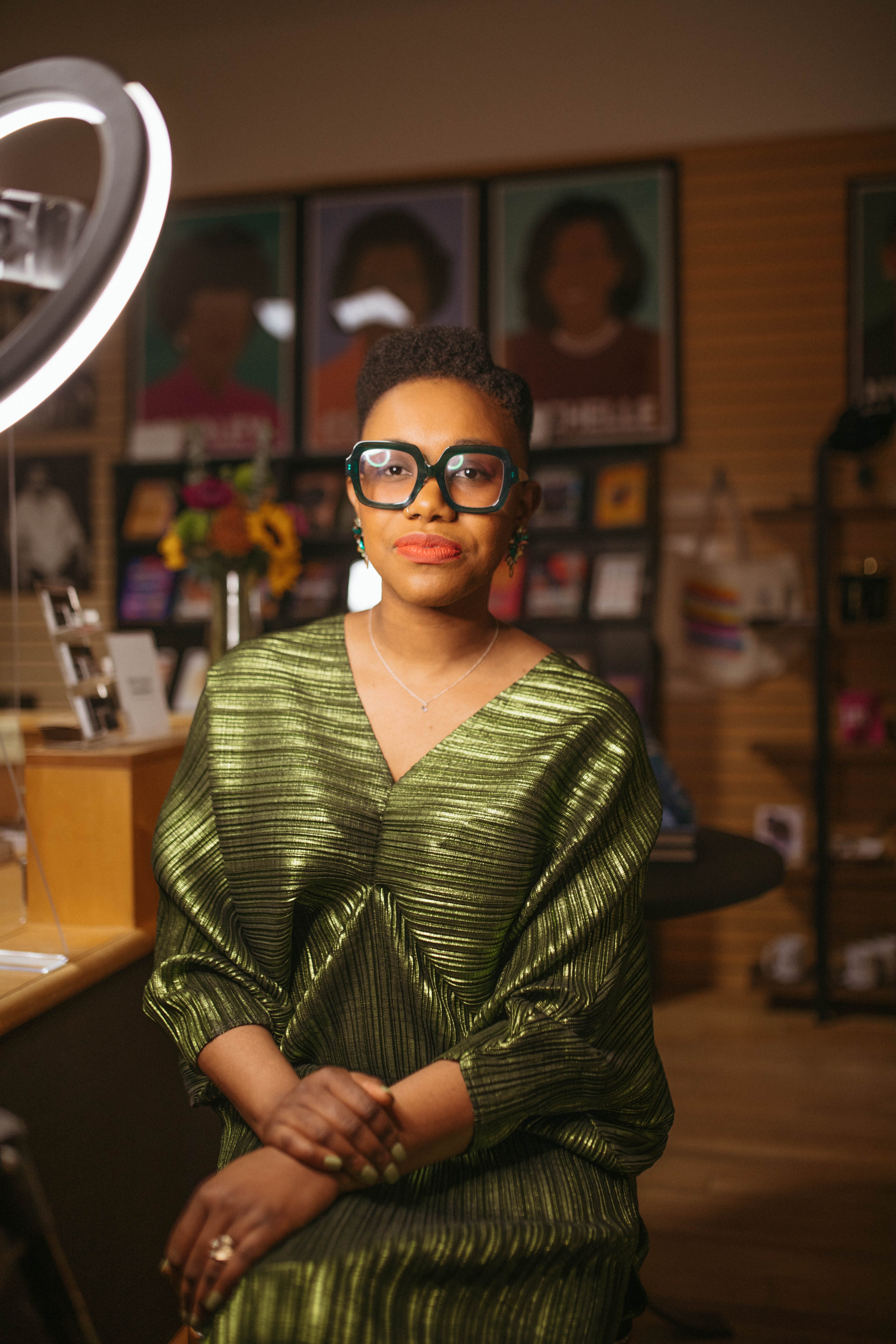
There are some things I’ve known since before I had words for them.
Like what it means to search for yourself in a world that doesn’t always hold up a mirror.
I remember holding dolls in my hands and flipping them over, looking for a face that looked like mine. Brown skin. Wide nose. Full lips. A full Black girl face.
My mama, Marcia, made sure I had that.
One Christmas, she drove all the way to Grand Rapids just to find me a Black Cabbage Patch doll. And listen, folks weren’t just hopping on the highway for anything back then. Lansing to Grand Rapids felt like a trip-trip. Gas money mattered. Time mattered. Effort mattered.
That was a big deal. That was everything.
She wanted me to see myself and love what I saw.
I didn’t realize it then, but my mama was giving me a mirror before I knew I needed one.
I thought about that while watching Black Barbie: A Documentary on Netflix. The documentary was directed by Lagueria Davis and follows the history of the first Black Barbie, the women who helped make her possible, and the question that started with Davis’ aunt, Beulah Mae Mitchell: why couldn’t Barbie look like her? The film also honors women like Kitty Black Perkins, who designed the first Black Barbie, and Stacey McBride-Irby, who helped shape Barbie’s evolution after that.
Watching it took me right back to that doll.
Because representation isn’t a small thing. It’s easy for people to dismiss it when they’ve always had it. When every aisle, every shelf, every story, every toy box has already made room for you, you might not understand what it does to a child to finally see something that looks like her and feel her spirit say, there I am.
That’s why the doll mattered.
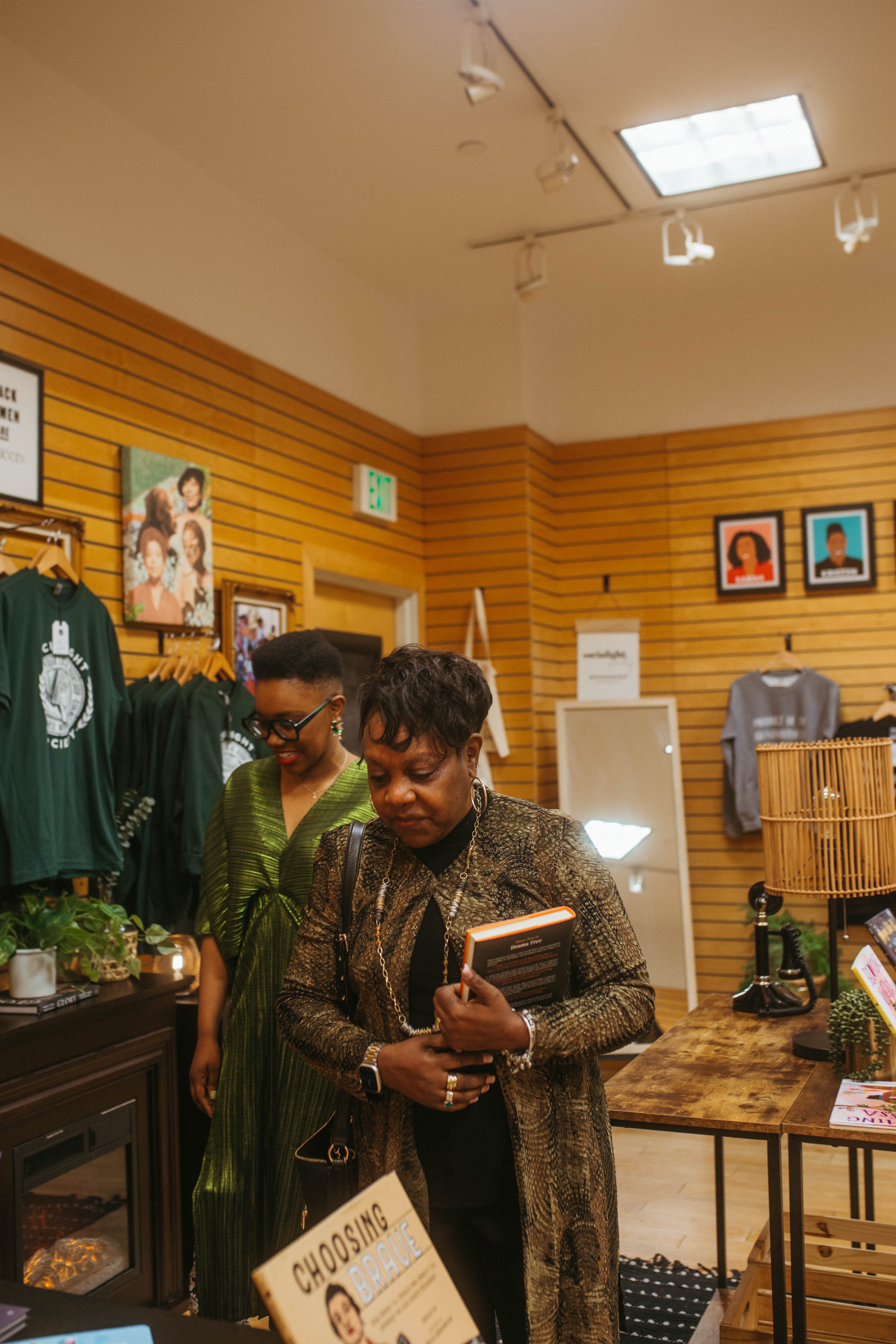
A Black doll in my hands meant somebody had imagined a little girl like me worthy of being held, dressed, carried, cherished, and chosen. It meant beauty could have my features. It meant my face wasn’t something to grow out of, explain away, or shrink down. It meant I could practice loving myself before I had language for what the world might try to teach me otherwise.
Because when we don’t see ourselves, we learn something too.
We learn who gets centered. Who gets fantasy. Who gets softness. Who gets adventure. Who gets to be the main character, the bride, the mother, the dreamer, the one with options. We learn what the world expects us to accept. We learn where we’re supposed to stand.
And before a child can argue with absence, she often absorbs it.
That’s why my mama’s effort matters to me so much now. She didn’t just buy me a doll. She went out of her way to interrupt absence. She made sure that in my own house, in my own hands, I had proof that a Black girl face belonged in the story.
That same lesson followed me from dolls to books.
Our bookshelves at home were filled with stories that looked like me. My parents made sure of it. I still remember being seven years old, checking Roots out of the school library. Yes, that Roots by Alex Haley. My teacher gently tried to steer me toward something else, something lighter maybe, but I was set.
I didn’t know exactly what I was looking for, but I knew I needed it.
So I took that book home and read it cover to cover.
I didn’t understand every detail, but I felt it. Sometimes, that’s enough.
That little girl with a book too heavy for her hands still stays with me. Reaching for a story before she fully understood what it would ask of her. Searching for language, history, herself inside the pages.
But even then, I knew when something mattered.


That same thread, that need to find myself in the story, runs through my life even now. It’s what led me to that bookstore back in 2017.
I walked in excited and headed straight for the section labeled Women of Color. And baybee, when I tell you I found dust and disappointment. The books I loved weren’t there. The writers I admired were missing. It felt like someone had thrown together a few titles just to say they did.
I remember standing there with that old familiar feeling, the one Black women know too well, when you realize a room has made a little space for you, but hasn’t truly imagined you there.
I left angry.
More than that, I left with an idea.
Over dinner that night, I said what I already knew: “I could build something better than that.”
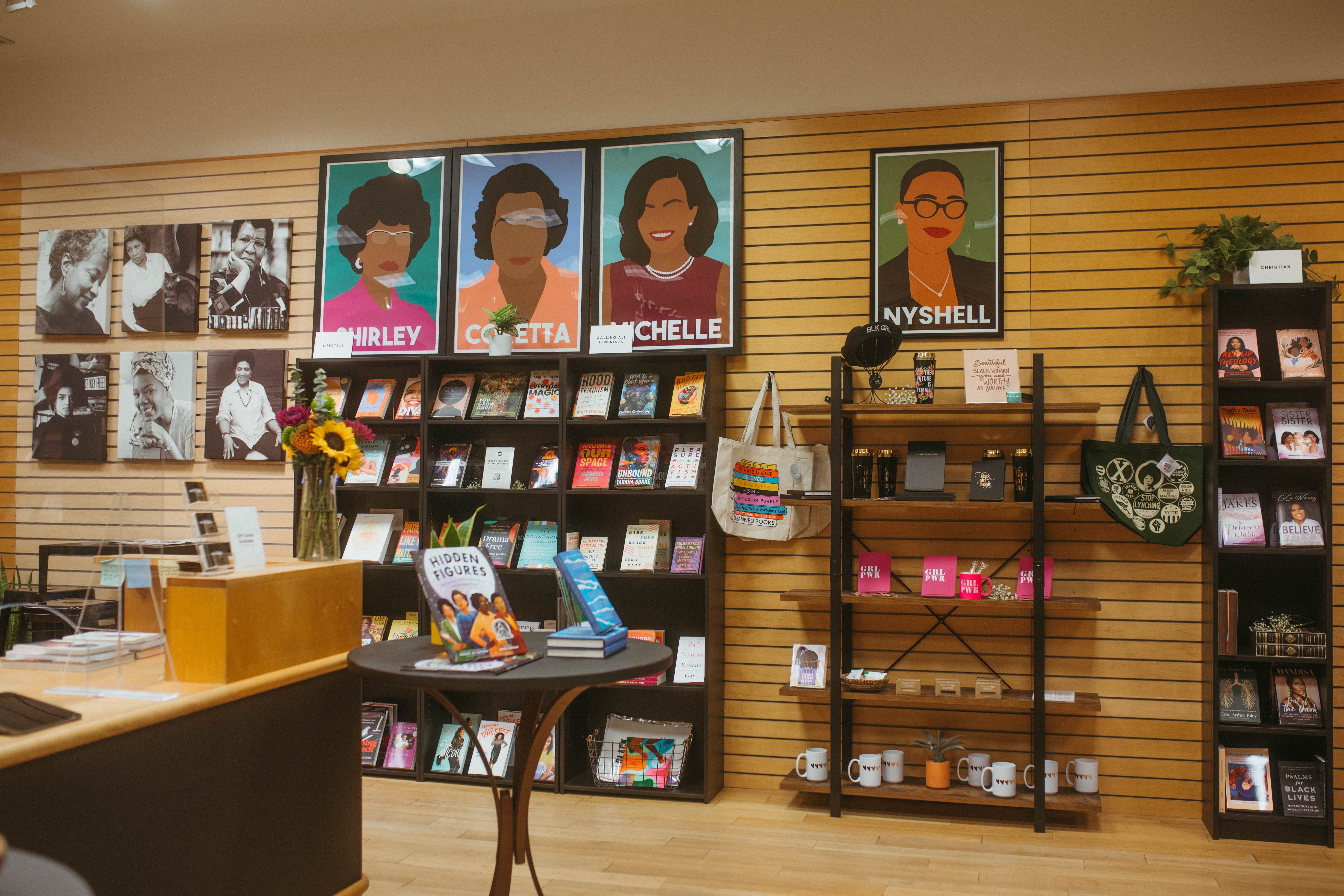
A space where Black women could walk in and feel like the whole place was holding them. Where the stories weren’t tucked away in the corner, but standing proud in the center. Where our joy, grief, faith, brilliance, softness, beauty, questions, and becoming all had room.
And that’s how Socialight Society began.
With a feeling.
With a knowing.
I played with the name that night. SOC relating to people. LIGHT because we’re called to be light. Together, it felt like a place. A place for books, yes, and for the kind of belonging I’d been reaching for since childhood.
Now I can see it clearly. The little girl with the Black doll and the little girl checking out Roots were both already becoming the woman who would build Socialight Society.
I was learning early that representation isn’t decoration. It’s formation.
It shapes what we believe is possible. It teaches us what kind of beauty is worth protecting. It helps us understand that seeing ourselves clearly is part of becoming ourselves fully.
What started as a bookstore has become something bigger than shelves.
We’re still sharing stories. Still centering Black women. Still creating places where somebody’s daughter can walk in and recognize herself fully.
I think again about my mother driving to Grand Rapids for that doll. I wonder if she knew how much it would matter. I wonder if she knew she wasn’t just buying a toy, but offering me a mirror. I wonder if she knew that one day I’d spend my life trying to create mirrors for other Black women too.
Perhaps that’s how becoming works.
One person shows you that you’re worth seeing, and then you spend your life making sure somebody else knows it too.
Sometimes I think about that little girl sitting in the library with a book too heavy for her hands, searching for herself inside the pages.
I think she’d understand exactly what we’re building now.
A place where Black women are seen fully.
Some posts throughout this space may include affiliate links to books, products, and resources I genuinely love. Purchases made through those links help support Socialight Society, my love letter to Black women, storytelling, gathering, and the work of creating spaces where we can be seen fully.
And thank you, always, for being here.
I love what you’re building. 🤎💜🖤
Beautiful article! Where are you located?