
Black Women Belong in Museums
Notes on preservation, memory, and being seen fully

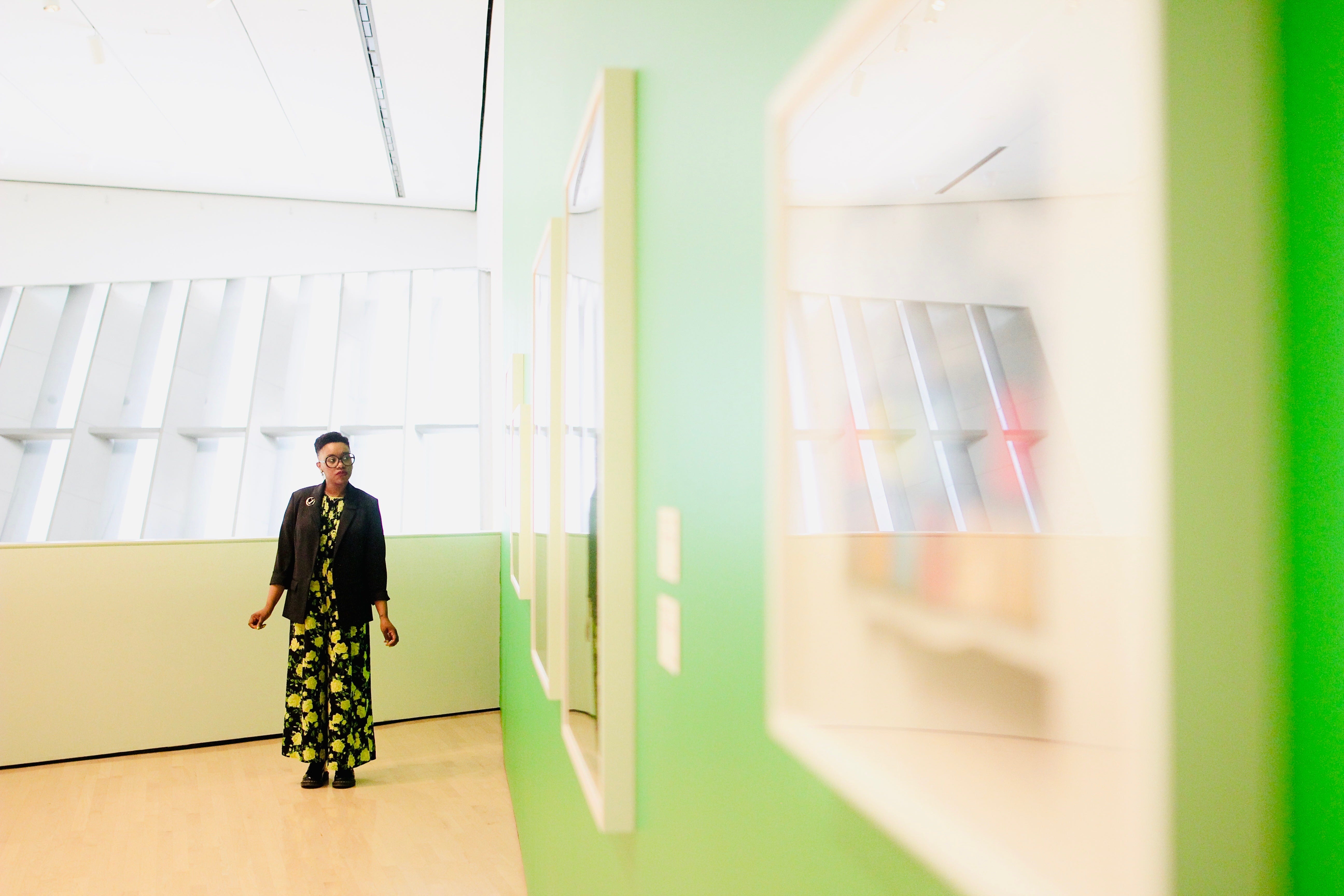
I tend to count Black women everywhere I go.
At conferences, bookstores, readings, film festivals, academic spaces, and museums, my eyes scan the room before I even realize I’m doing it. How many of us are here? Were we invited with intention? Are we part of the conversation or just near it? Are we being centered, studied, listened to, protected, remembered?
Some may call this paranoia. I think it’s practice.
When you’ve spent enough time moving through places that weren’t built with you in mind, you learn to read a room before you fully settle into it. You notice who’s missing and who gets named. You notice whose work is displayed at eye level and whose story gets tucked into a corner like somebody remembered at the last minute. Presence has a texture, and so does absence.
Museums bring that feeling up in me in a particular way.
I should tell the truth here: I haven’t often walked into a museum and seen Black women honored in the way I’m imagining.
I know those exhibits exist. Black women artists, curators, archivists, historians, and cultural workers have been making sure our stories aren’t erased. Somewhere, there are rooms where Black women’s lives, faces, work, beauty, grief, brilliance, style, and imagination have been given space.
But I haven’t encountered enough of those rooms myself.
What I know more intimately is the looking. The scanning. The slow walk through a museum while wondering where we are. I know the quiet hope that maybe around the next corner there’ll be a portrait, a photograph, a dress, a letter, a name, a voice — something that says: we were here, and not only as labor, as background, as somebody’s unnamed mother, maid, muse, or witness.
I’m longing for Black women to be honored with fullness.
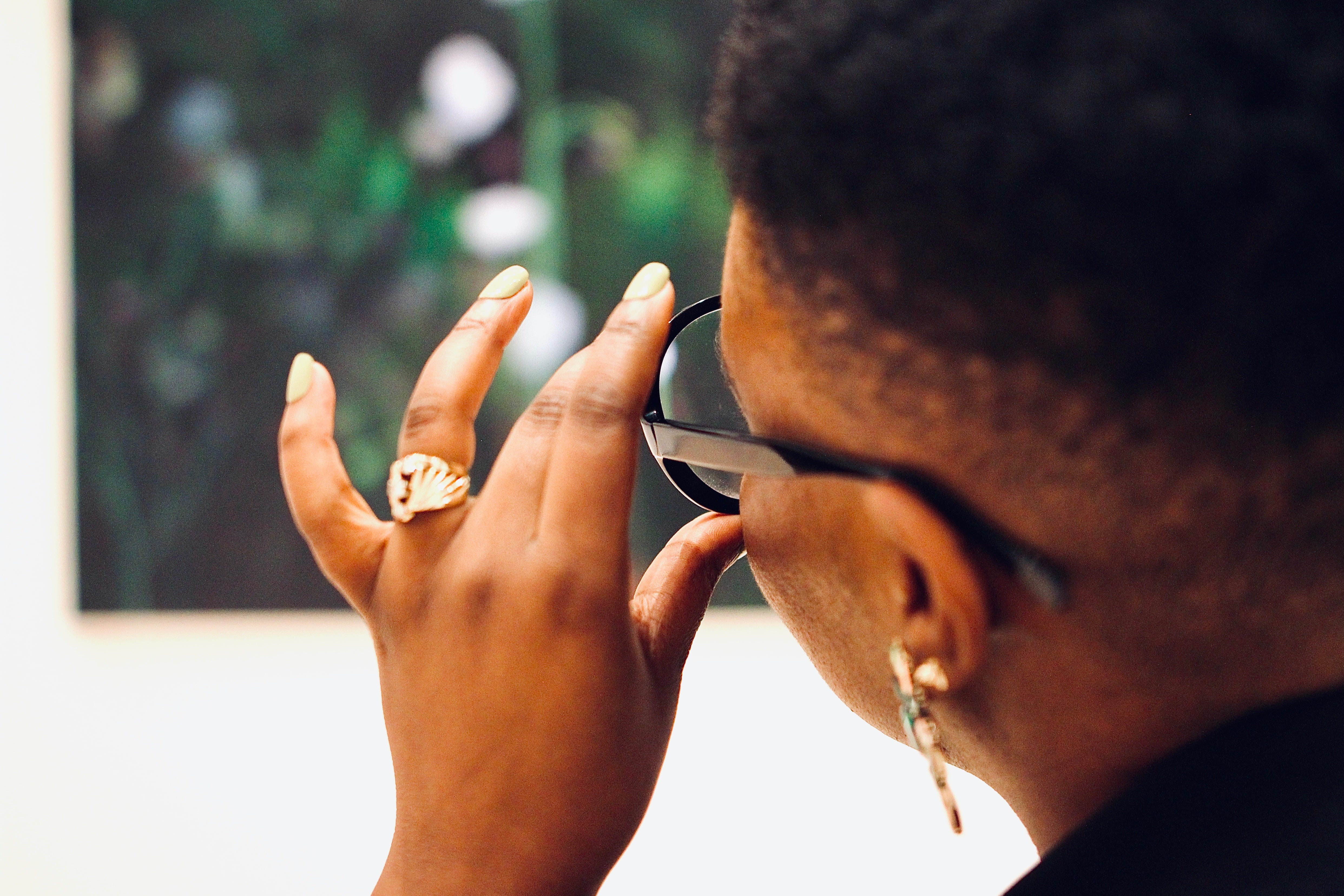
I want rooms that understand us as worthy of study, reverence, preservation, and wonder.
That matters because institutions teach people what deserves to be looked at carefully. Museums show us what a culture has decided is worth preserving, funding, labeling, protecting, studying, and remembering. They tell us what deserves silence, awe, wall text, archival gloves, public programs, climate-controlled rooms, and whole exhibitions.
Black women deserve to be
remembered with care.
Not only for what we endured or carried. Not only for what we made possible for other people. Our lives belong inside beauty too. Inside theory, softness, intellectual life, and wonder. Inside rooms where people are asked to slow down and look closely.
That last part matters because the world often looks at Black women too quickly. Quickly enough to assume. Quickly enough to dismiss. Quickly enough to misread our tone, our bodies, our hair, our faces, our rest, our joy, our anger, our boundaries. Quickly enough to decide what we are before asking who we are.
At their best, museums ask for slowness.
They ask you to stand still. To look again. To read the card. To consider the texture, the context, the hand, the material, the life behind the work. They ask you to believe there’s always more happening beneath the surface.
Black women have always deserved that kind of looking.
When I walk through museums, I often think about the women in my family. Their lives taught me how much brilliance can live in ordinary rooms. Around kitchen tables. In church pews. On front porches. At family gatherings where somebody was laughing too loud, somebody was wrapping a plate, and somebody was telling the truth with one eyebrow raised.
Nobody called them theorists.
Nobody called them curators.
Nobody placed their wisdom under glass.
But they were building archives the whole time.
They remembered who brought what dish, who needed prayer, who was acting brand new, who’d survived what, who belonged to whom, which child needed watching, which story needed repeating, and which silence said more than words ever could. Entire worlds lived inside them, and so much of that brilliance moved through history without being properly documented.
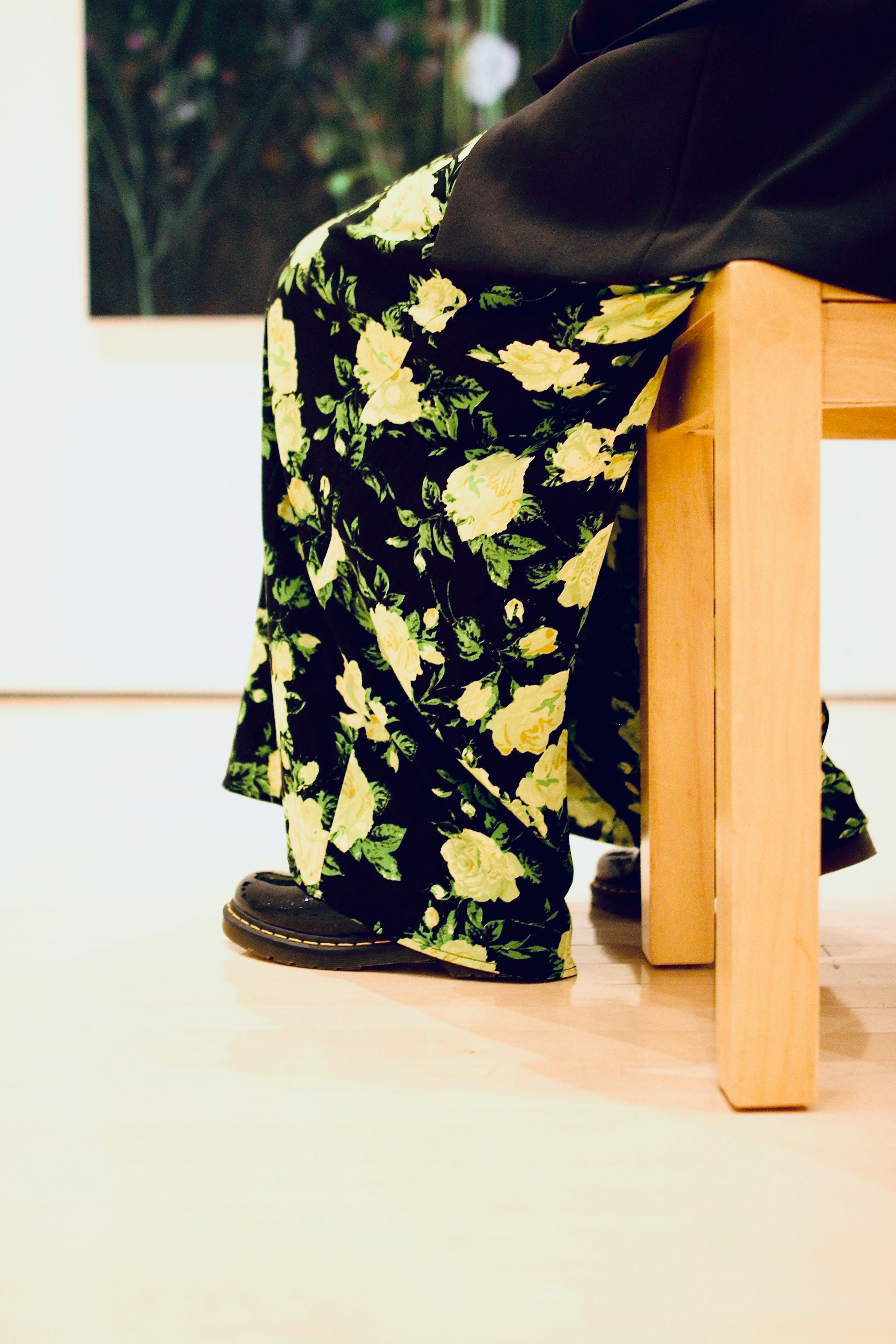
I imagine that’s part of why museums stir something up in me. They make me wonder who got preserved and who got passed over. Who was studied and who was simply used. Who was photographed with dignity and who was captured without consent. Who had their name written down. Who got called “unknown woman” when a whole family somewhere knew exactly who she was.
There’s grief in that.
There’s imagination too.
Black women have always made rooms for our fullness. Bookstores. Reading circles. Salons. Archives. Classrooms. Digital platforms. Gatherings that begin with “girl, let me tell you” and somehow become theory before anybody reaches for a notebook.
We know what it feels like to search for ourselves and come up short, so we build. Our beauty needs room. Our references need room. Our softness needs room. Our brilliance needs room. Our becoming needs room.
That’s the womanist wonder of it for me.
Black women don’t only belong in museums. In many ways, we’ve always been museums.
Living archives. Walking exhibitions. Keepers of memory, style, language, recipe, rhythm, warning, laughter, faith, critique, and imagination.
We carry what official records missed. We preserve what the world tried to make disposable. We make beauty out of what was never supposed to hold us.
And sometimes, when I see photographs of myself in a museum, I feel the whole thing happening at once.
I’m looking at the art while standing inside the institution, aware of the room and aware of my body in the room. I’m thinking about who’s been invited to look and who’s been trained to look past.
And still, there I am.
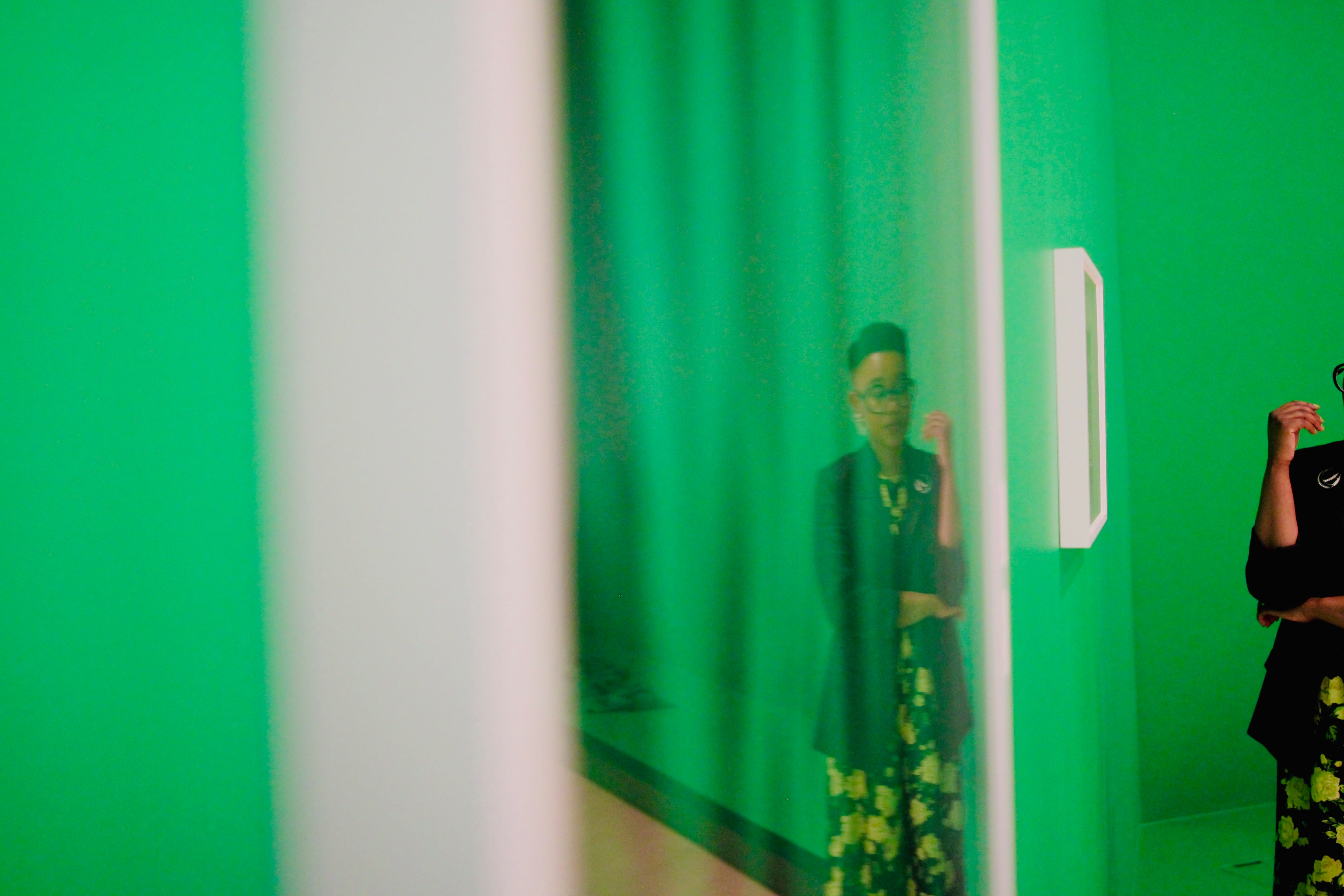
Floral jumpsuit. Black blazer. Red lip. Gold jewelry. My mama’s brooch pinned close like a small declaration. Standing in front of a green wall because I didn’t come to disappear.
That image does something to me.
A Black woman standing inside a museum, looking at art, while also being art.
Not as an object, display, or something to be consumed. Living artwork, in the sense that my life has form. My choices have texture. My clothing tells a story. My face holds generations. My gestures are full of inheritance. Even my presence carries the women who taught me how to survive, how to pray, how to dress, how to leave, how to begin again, how to make a way out of no way and still put on a lip.
That deserves more than a passing glance.
It deserves a room. A wall. A whole exhibition.
I’m dreaming of more exhibits dedicated to Black women. More portraits, retrospectives, archives, and acquisitions. More Black women curators, critics, educators, docents, directors, and museum presidents. More little Black girls walking into galleries and expecting to see themselves, not as a seasonal program or diversity initiative, but as part of the permanent collection of the world.
They should know their faces are worthy of framing. Their thoughts are worthy of study. Their lives are worthy of preservation. Their joy is worthy of documentation. Their softness is worthy of protection. Their imagination is worthy of investment.
I want them to walk slowly through beautiful rooms without wondering if they’re allowed to take up space there.
Because they are.
We are.
Black women have always belonged in museums. The world is just still learning how to look closely enough to see it.
And maybe I am too.
Maybe every time I walk into a space and start counting, I’m doing more than looking for who’s missing. Maybe I’m also looking for what’s possible. For evidence. For language. For the proof that we’re not imagining our own importance. For the reminder that our lives aren’t only meant to be endured, but studied, celebrated, protected, and beheld.
So yes, put Black women in museums.
Put us on the walls, in the archives, in the budgets, in the leadership, and in the story with our names spelled right.
And when we show up in the gallery wearing floral jumpsuits, red lipstick, gold jewelry, and a face that says we already know we belong, understand that the exhibit has already begun.
The counting isn’t merely about OUR presence. It’s about understanding whether we’re actually expected to be there.🖤
…because I didn’t come to disappear 😍