
Come Celebrate With Me
A good place to start

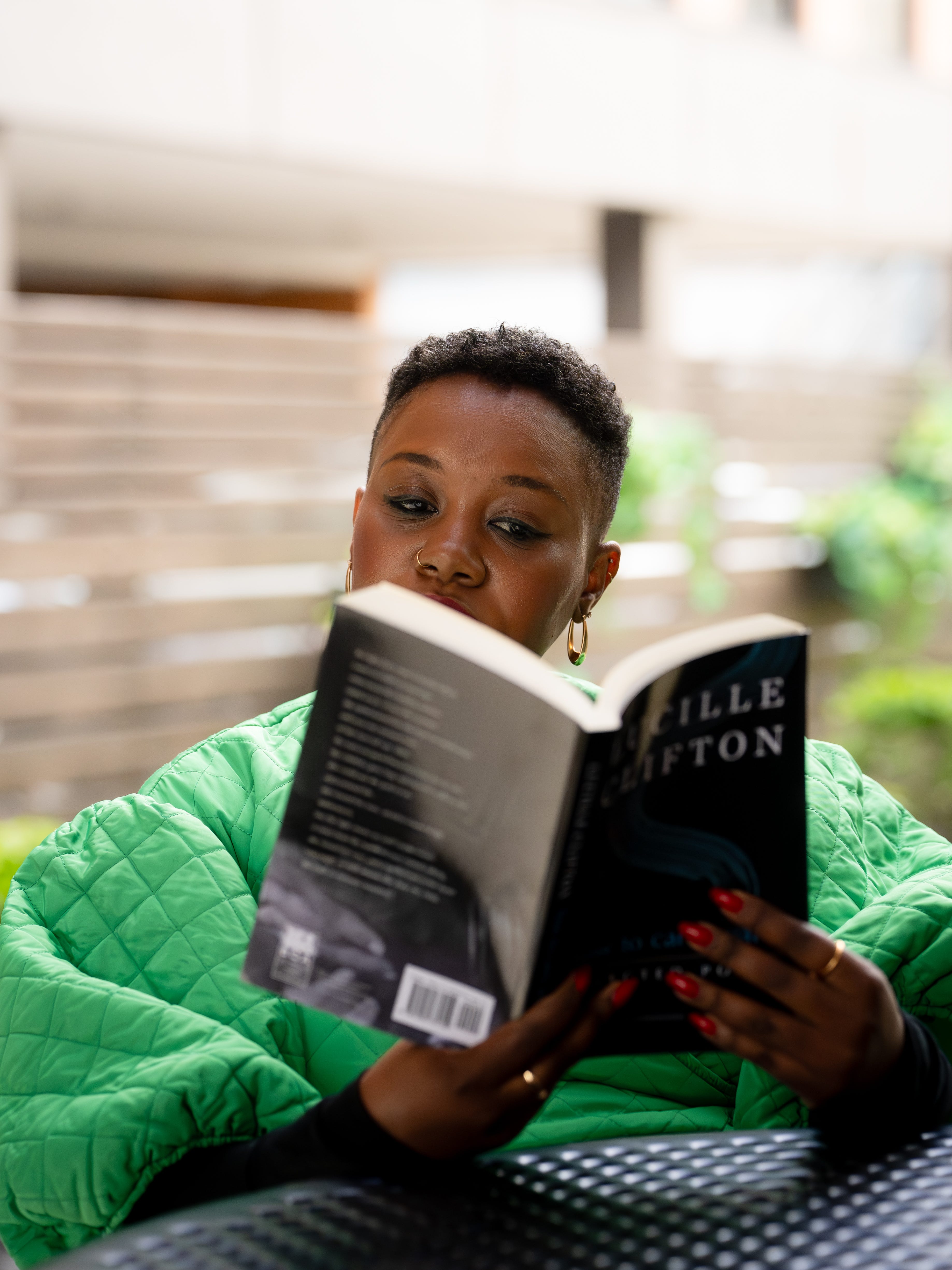
I keep returning to Lucille Clifton because she didn’t give us celebration as something cute. She gave us celebration with a backbone.
There’s a difference.
The kind of celebration I’m talking about isn’t only balloons, flowers, good food, pretty dresses, and a room full of people clapping for the version of you that made sense to them. I love all of that. I love a gathered room. I love a reason to dress up. I love a table with intention. I love the moment when laughter starts moving through a space and everybody remembers they’re allowed to feel good.
But Clifton’s invitation carries another kind of weight.
When she writes, “won’t you celebrate with me,” she’s not asking us to ignore what happened. She’s asking us to witness what survived. She’s standing inside a life she had to shape without a model and telling the truth: every day something tried to kill her and failed.
That line keeps finding me because I know what it means to have a life that didn’t come with a clean blueprint.
I know what it means to build while grieving. To keep showing up when the map is missing. To look around at your own life and realize you’re standing in the middle of a story you didn’t plan, wearing a strength you didn’t ask for, trying to become a woman you’ve never fully seen modeled.
Some of what tried to kill me had a name.
My grandmother’s death tried to kill me. She wasn’t just somebody I loved. She was my person, my safe place, and one of the first tables where I learned what it felt like to belong. Losing her felt like losing a language I’d been speaking my whole life. It felt like the house got quieter in a way nothing could fix.
Divorce tried to kill me. People talk about the legal ending, but there’s also the spiritual and emotional undoing of a future you thought you were building. There’s the grief of no longer belonging to a life you organized yourself around. The very strange work of introducing yourself to yourself again and realizing you are both familiar and brand new.
Church hurt tried to kill me. Leaving two church homes shook something in me that I’m still trying to name carefully. When you’re a Black Christian woman who has served, prayed, believed, interceded, submitted, hoped, and built parts of your life around ministry, church pain reaches deep. It can make you question your discernment, your belonging, your voice, and the way you hear God.
Closing the physical space for Socialight Society tried to kill a dream I had touched with my own hands. I know the business is still alive. I know the work is still becoming. Still, there was grief in releasing the room people could walk into. There was grief in packing up shelves that had held my prayers, my labor, my creativity, and my belief that Black women’s stories deserved to be easy to find.
Friendship shifts tried it.
Depression tried it.
Anxiety tried it.
Financial pressure tried it.
Burnout tried it.
Survival mode tried it.
The pressure to keep being strong when I wanted to be held tried it too.
And I’m still here.
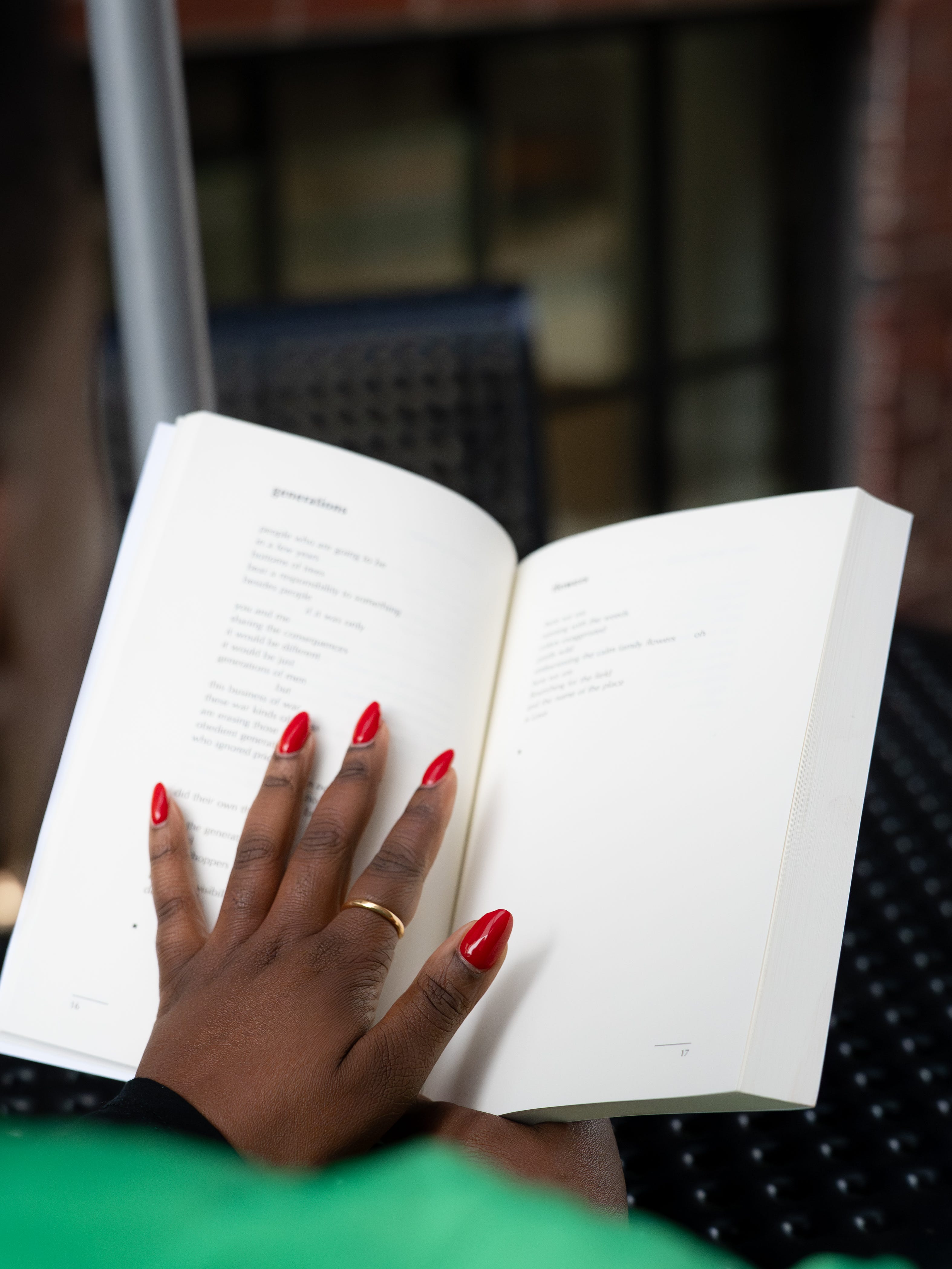
That sentence is doing more work than it looks like.
I’m here with new language, new boundaries, new grief, new joy, and a deeper understanding of what Psalm 118:17 means when it says, “I shall not die, but live, and declare the works of the Lord.”
That verse doesn’t say, “I shall not die, but live, and act like nothing happened.” It says live and declare. There’s a testimony on the other side of what almost ended us. There’s language after survival. There’s a story that belongs to the life that made it through.
That’s why Come Celebrate With Me has become more than a title for me.
It’s a spiritual practice.
It’s a creative practice.
It’s a way of telling the truth without handing the whole microphone to the wound.
I don’t want to build work that only circles what hurt. I don’t want my writing to become a museum of almost-endings. I don’t want to turn my pain into a performance just because people know how to gather around Black women’s suffering faster than they know how to honor our joy.
I want to name the thing and then name the victory louder.
That feels important because Black women are often expected to survive without making people uncomfortable about what survival required. We’re praised for being strong and punished for being honest about the weight. We’re admired for resilience while folks quietly benefit from the conditions that demanded it. We’re called inspiring when many of us are simply tired, faithful, resourceful, and trying not to fall apart in public.
Audre Lorde wrote,
“Caring for myself is not self-indulgence,
it is self-preservation.”
I used to hear Audre Lorde’s words mostly as a call to rest, boundaries, and choosing myself. I still do. But now I also hear something deeper in them: the right to remain alive in my own life. For me, self-preservation has looked like telling the truth, leaving what I couldn’t stay in, choosing peace even when it came with paperwork and loss, and learning that my pain doesn’t have to become useful for my healing to matter.
That is part of what informs my work now.
When I write, curate books, gather women, or build Socialight Society in its next form, I keep circling a few questions: What does it look like for Black women to be witnessed in the fullness of our lives? What does it mean to imagine ourselves in spaces not built with us in mind? What have we survived, and what has carried us through?
I don’t only want to talk about what we carry. I want to talk about what carries us too. Books have carried me. Prayer has carried me. My grandmother’s memory has carried me. Black women’s words have carried me. The Holy Spirit has carried me when I didn’t have language, strategy, or strength.
That is why celebration matters here. It gives me a way to honor what carried me without pretending I didn’t almost collapse under the weight. It lets grief and beauty sit in the same room. It reminds me that joy is not denial. Joy can be evidence that God kept something tender alive.
Come Celebrate With Me is the language I use for that kind of witness. It is the name of this space, but it is also the posture of the work. It is how I remember what God has carried me through, how I honor the women who taught me to keep living, and how I make room for Black women’s stories to be read, remembered, and celebrated with care.
So come celebrate with me.
There is still life here.
There is still story here.
There is still room at the table.
In true bookseller fashion
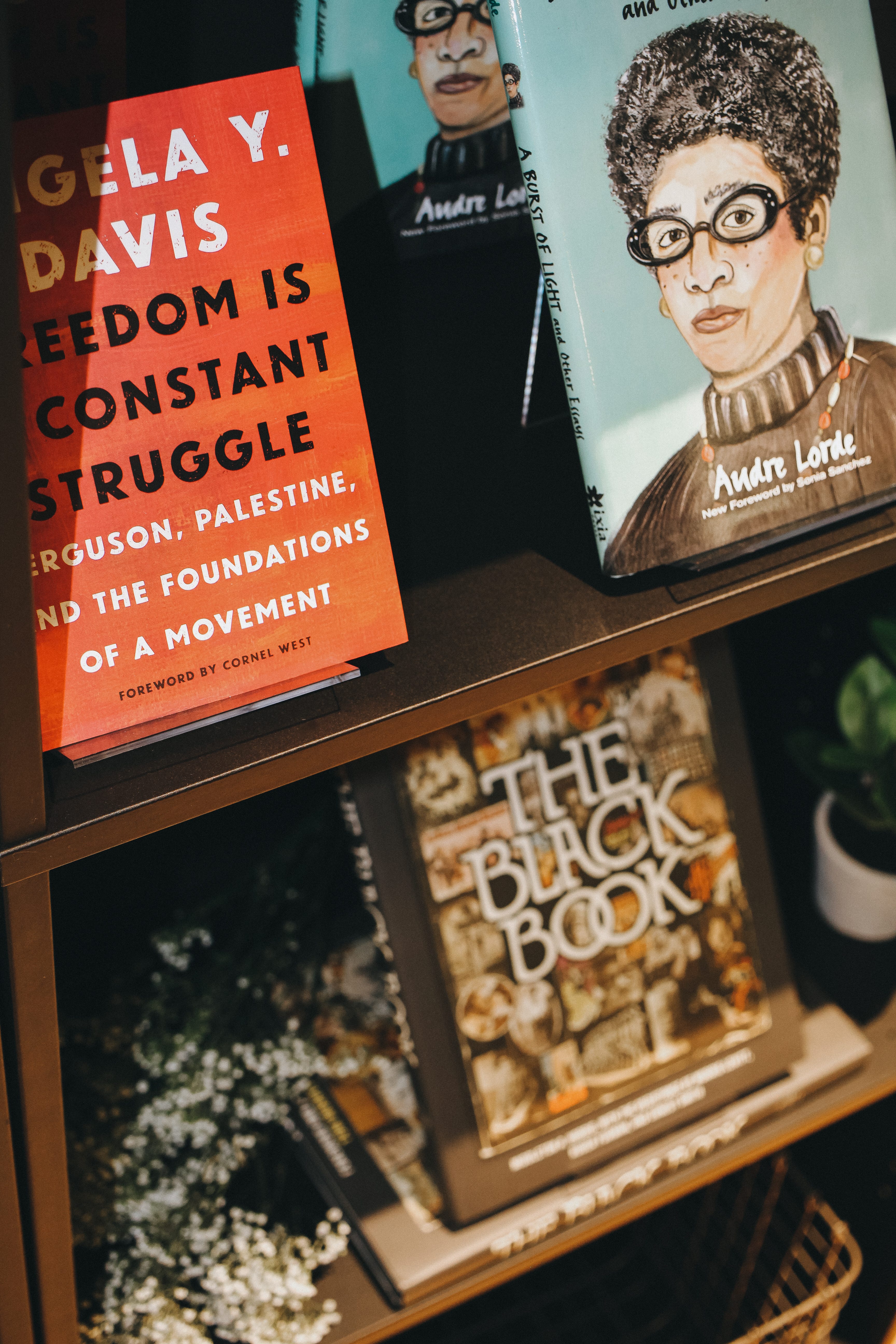
In true bookseller fashion, let me place a few books on the table that continue this conversation.
If this is one of your first times pulling up a chair here, this is a good place to begin. Think of it as a small stack for the work we’re building together: books to hold close, underline, return to, and reach for when you need language for the life you’re trying to name.
The Book of Light by Lucille Clifton
This is where the invitation begins for me. Clifton lets survival be holy, complicated, plainspoken, and miraculous all at once. “won’t you celebrate with me” is the poem I keep carrying because it reminds me that celebration can tell the truth and still leave room for glory.
A Burst of Light by Audre Lorde
This one is for the woman learning that staying alive in her own life may require more honesty than she expected. Lorde’s words on self-preservation feel different when you’ve spent years functioning through what needed care. She reminds me that care can be soft, firm, disruptive, holy, and deeply necessary.
The Source of Self-Regard by Toni Morrison
Morrison is for sitting with language, memory, responsibility, and the sacred weight of telling the truth. Her essays remind me that writing asks us to pay attention, honor what we know, and protect the imagination from anything trying to flatten it.
Add them to your TBR. Read when you’re ready.
Some posts throughout this space may include affiliate links to books, products, and resources I genuinely love. Purchases made through those links help support Socialight Society, my love letter to Black women, storytelling, gathering, and the work of creating spaces where we can be seen fully.
And thank you, always, for being here.
Books are my love language. Thank you for the recommendations. I have 2 of 3. Just bought Lucille Clifton on bookshop.org.