
I Thought I Was Building a Bookstore
Notes on Socialight Society, starting over, and the story that became bigger than shelves

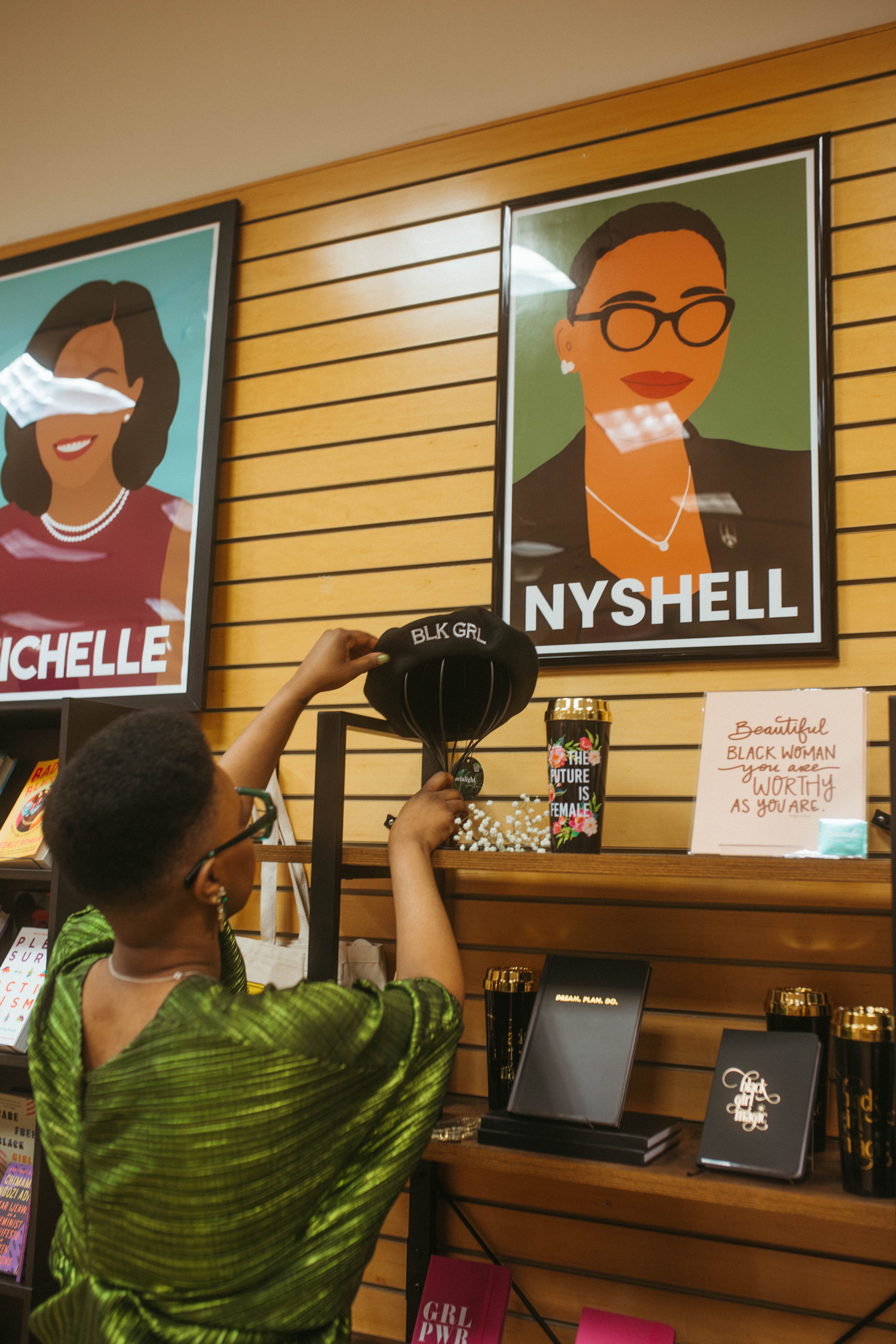
I thought I was building a bookstore.
That was the easiest way to explain it, especially in the beginning. When people asked me what Socialight Society was, I could say, “It’s an independent bookshop that celebrates Black women and Black literature,” and most people understood that quickly enough. They could imagine shelves and book covers, new releases on display, tote bags near the register, and somebody behind the counter who knew exactly what to recommend when a reader walked in and said, “I want something good, but I don’t know what I’m in the mood for.”
That answer was true, but it wasn’t the whole truth.
Socialight Society began in 2021 as an independent bookshop created to celebrate Black women writers, Black literature, and the sacred feeling of seeing ourselves clearly. I started it because I knew what it felt like to love books and still walk into literary spaces where Black women’s stories felt too hard to find. I knew what it felt like to scan the shelves, search the tables, and wonder why the books that had carried me, challenged me, raised me, and helped me understand myself weren’t always treated like essential reading.
I didn’t have a perfect business plan when I started. I had a conviction. I had a deep love for Black women’s words. I had grief, imagination, prayer, and the stubborn belief that if I kept wishing a space existed, maybe I needed to stop waiting and build it myself.
“If there’s a book that you want to read, but it hasn’t been written yet, then you must write it.”
-Toni Morrison
I know she was talking about writing, but I’ve always heard that quote as an invitation to create whatever is missing. When there’s a room you keep needing and no one has made it yet, you may have to build it. When there’s a shelf you keep searching for and it’s never full enough, you may have to curate it. When there’s a table where you long to sit and see women who look like you being honored with care, you may have to pull out the chairs yourself.
That’s what the bookshop became for me.
It was the bookstore I kept hoping to find. It was the shelf I wanted to stand in front of. It was the room I wanted to walk into without having to shrink, translate, or explain why Black women’s stories mattered. It was my way of saying that our books deserved more than a corner, more than a seasonal display, more than a temporary moment when the world suddenly remembered we had something to say.
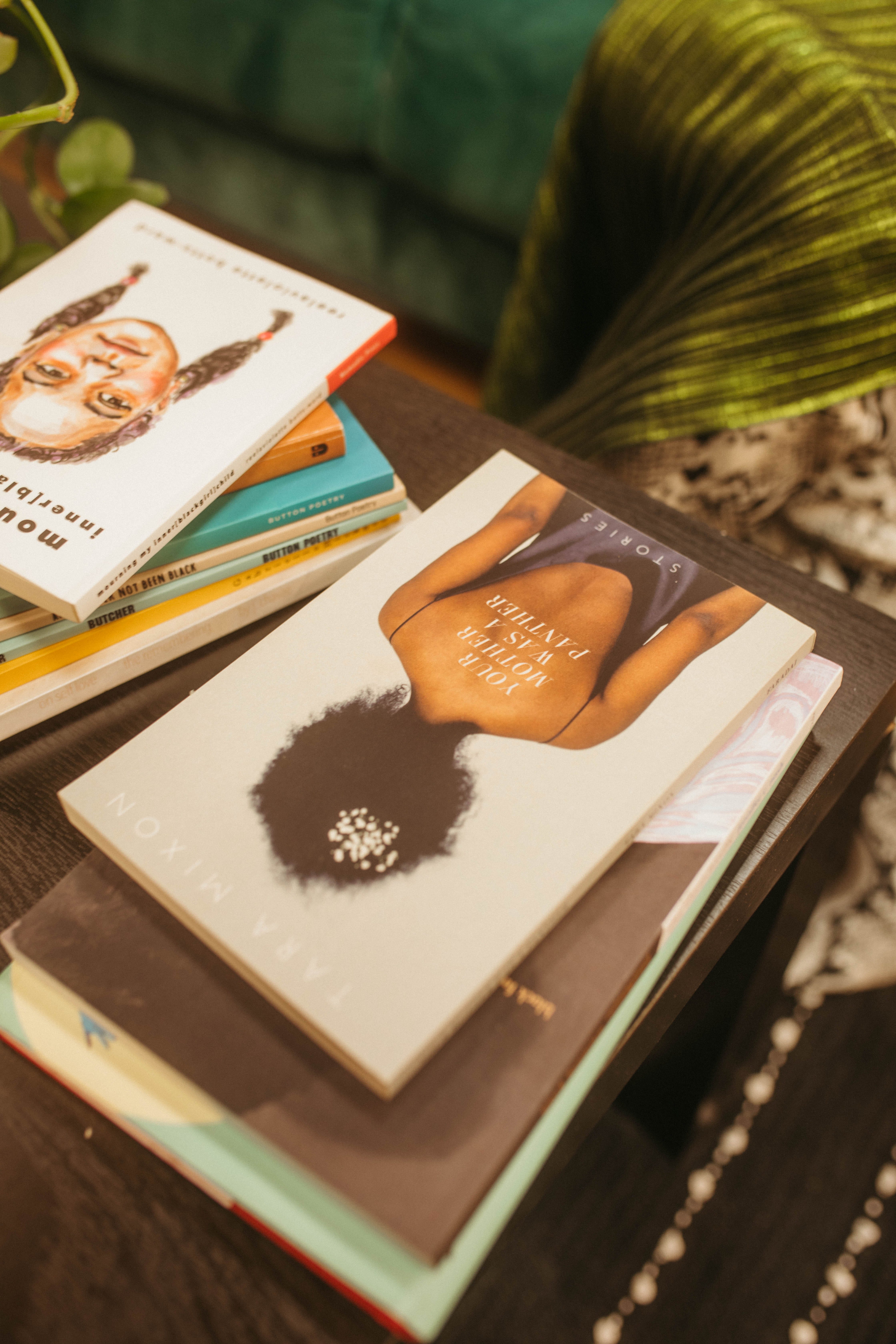
From the beginning, I wanted abundance. I wanted Toni Morrison, Maya Angelou, bell hooks, Lucille Clifton, Nikki Giovanni, Alice Walker, Zora Neale Hurston, Jasmine Mans, Jesmyn Ward, Tarana Burke, and so many others taking up space like they belonged there, because they did. I wanted Black women who looked like me to walk in and feel seen before they ever had to ask a question. I wanted our stories to be easy to find, and I wanted the shelves to say what the world hadn’t always said plainly enough: we’re worth reading, remembering, studying, and celebrating.
At first, the work looked like what people expect a bookstore to look like. I ordered inventory, made displays, recommended books, hosted events, packed bags, posted online, carried boxes, created graphics, tracked sales, showed up at pop-ups, and learned in real time how much labor hides behind something beautiful.
And baybee, it was a lot.
I was the bookseller, the buyer, the marketer, the event planner, the customer service department, the display team, the delivery driver, the cleaning crew, and the woman standing in the middle of the store trying to remember if she’d eaten anything that day besides a snack and vibes. I prayed over numbers, moved the same stack of books six different times because the colors weren’t speaking to each other correctly, and tried to make the work look effortless when I knew good and well my back hurt.
People saw the pretty parts, and I loved making the pretty parts. I loved a table that felt intentional. I loved a stack of books that looked like it belonged in somebody’s Sunday afternoon. I loved a cover that caught the light just right. I loved when somebody walked in for one book and left with three because the shelf started talking to them.
What I didn’t always know how to explain was that the beauty was part of the ministry. The curation was part of the care. The way the books were placed, the way the room felt, the way women lingered between shelves, and the way conversations opened up because a title had named something somebody was carrying all mattered to me.
Somewhere in the middle of building the bookstore, I started noticing that the books were doing more than selling. They were making room for memory. A woman would pick up a title and tell me about her mother. Somebody else would find a book for her daughter and start talking about what she wished she’d been given as a girl. A reader would stand in front of the shelf and say, “I needed this,” and suddenly the bookstore felt less like retail and more like witness.
That’s when I began to understand that the work was about what books make possible.
Books can open a conversation that people didn’t know they were ready to have. They can become mirrors, maps, warnings, invitations, and witnesses. A book can sit on a table and quietly call someone back to herself. It can remind a woman that she isn’t the first one to grieve, dream, rage, pray, begin again, or tell the truth. It can give language to the thing we’ve been feeling in our bodies but couldn’t yet say out loud.
That’s why the bookshop became more than a place to buy books. It became a gathering place, a cultural space, a soft place to land, and sometimes, whether I said it that way or not, a sanctuary. People came for books, but they also came for recognition. They came for the feeling of being surrounded by Black women’s words. They came for story time, book fairs, pop-ups, conversations, and the kind of table where books could lead us into faith, grief, hair, grandmothers, church hurt, joy, recipes, and what we were making for dinner without anybody needing to pass out an agenda.
That’s the culture.
That’s the archive.
That’s the work.
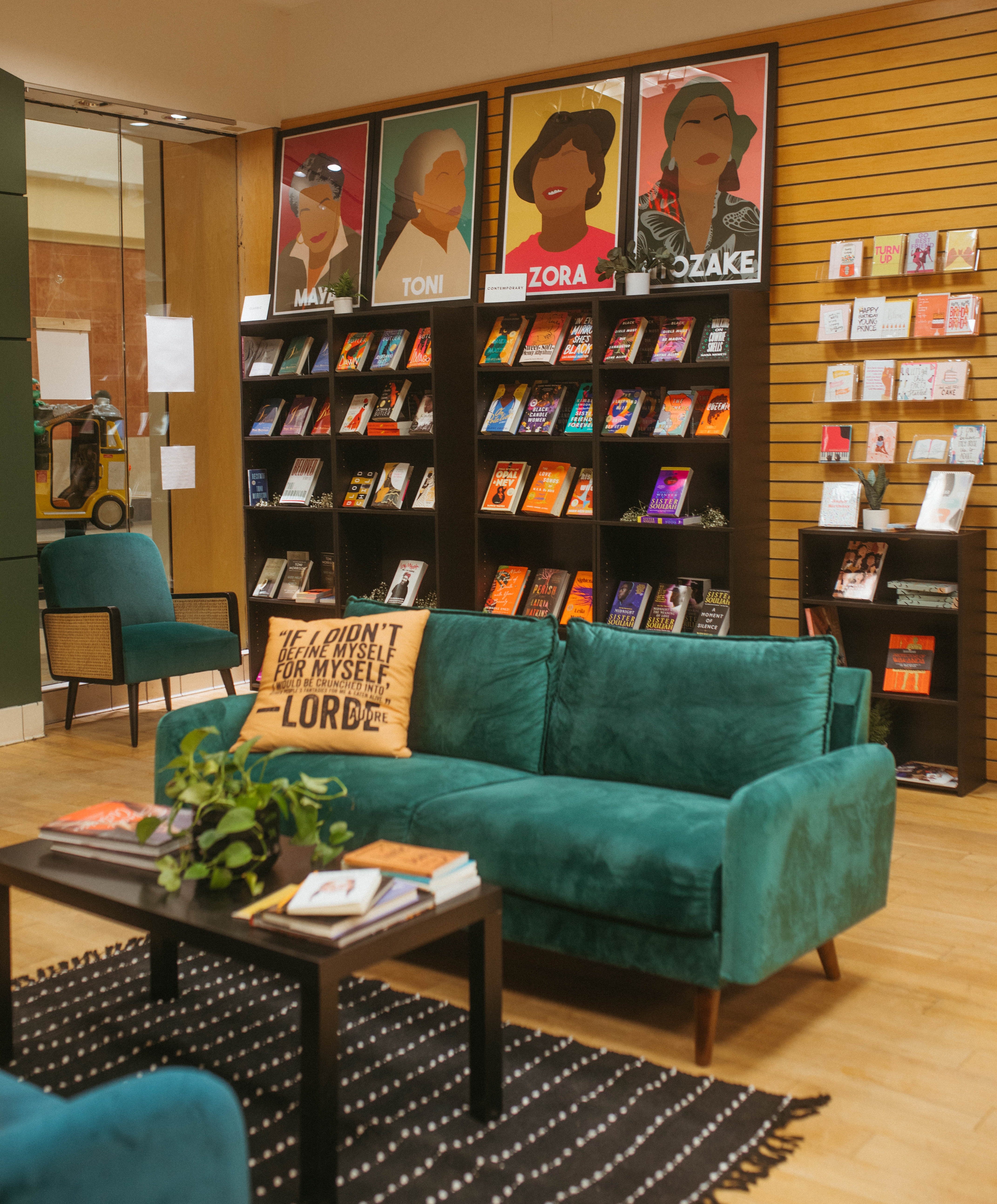
So when I closed the physical space, I had to grieve more than a business decision. I had to grieve a version of the dream I’d touched with my own hands. The shelves weren’t just shelves to me. The displays weren’t just displays. The room held my hope, my creativity, my prayers, my exhaustion, my belief in Black women’s stories, and my desire to make something beautiful and useful at the same time.
Closing the doors didn’t mean the work was over, but it did mean I had to tell myself the truth about what was changing. I had to release the version people could walk into and trust that the mission would still live beyond that room.
That sounds much cleaner now than it felt at the time.
When you’re in the middle of change, it rarely feels like wisdom. Most of the time, it feels like fear with a little bit of paperwork. Like packing boxes, making announcements, answering questions, and trying not to take every ending personally. Feels like wondering if people will still understand the work when they can’t physically step inside it. It feels like standing in the middle of what you built and admitting that the next version will require you to loosen your grip on the one you knew how to explain.
Honestly, that’s been the theme of my life in this season.
I’ve been releasing what I thought would last forever. A marriage. A church home. A physical bookstore. Versions of myself that knew how to survive but didn’t always know how to be free. I’ve always known how to start over in the small ways. I can cut my hair, archive an Instagram feed, rearrange a room, change the whole plan, and move like nothing happened. I know how to pivot. I know how to make something out of what I have left.
This season has required something deeper than a pivot. It’s asked me to stop treating every ending like evidence that I failed. It’s asked me to trust that God can still be present when something changes shape. It’s asked me to believe that peace is worth the unraveling, even when the unraveling is uncomfortable, inconvenient, and humbling.
The bookshop has been teaching me that lesson too.
For a while, I thought closing the physical space meant I was losing the bookstore. Now I believe God was helping me see the work more clearly. The bookstore was one expression of the vision, and I’m grateful for everything that expression taught me. The shelves mattered. The room mattered. The people who walked through the door mattered. The events, the book tables, the story times, the conversations, and the little moments between customers who became community all mattered.
The mission has always been bigger than the room.
The work is still about books, and I don’t want to move away from that. Books remain the doorway, the language, the invitation, and the offering. What’s become clearer is that the books were always leading me toward something wider. This work is also about memory, gathering, celebration, Black women’s stories, and the belief that what we read can shape how we see ourselves and one another.
It’s about creating a living record of the books that formed us, the women who taught us, the conversations that saved us, and the tables where we learned how to tell the truth.
That’s why Come Celebrate With Me feels like part of the bookshop’s next life. This space isn’t separate from what I’ve been building. It’s one of the ways the Socialight Society is still breathing. It’s where the essays live. It’s where I practice telling the truth with beauty. It’s where I write about starting over, faith, feminism, memory, grief, joy, books, Black womanhood, and the ordinary miracles that keep saving my life.
Over the last few days, more people have started gathering here. My notes have been reaching folks I didn’t expect. People are commenting, reading, sharing, and pulling up a chair. New subscribers have found their way to this table, and some of you may only know a piece of the story. So it feels like a good time to say plainly what this is becoming.
Come Celebrate With Me is the essay table. It’s where the bookshop’s love for Black women’s stories meets my love for story. It’s where the work continues through reflection, memory, and conversation. It’s where I get to write the kind of thing I once needed to read.
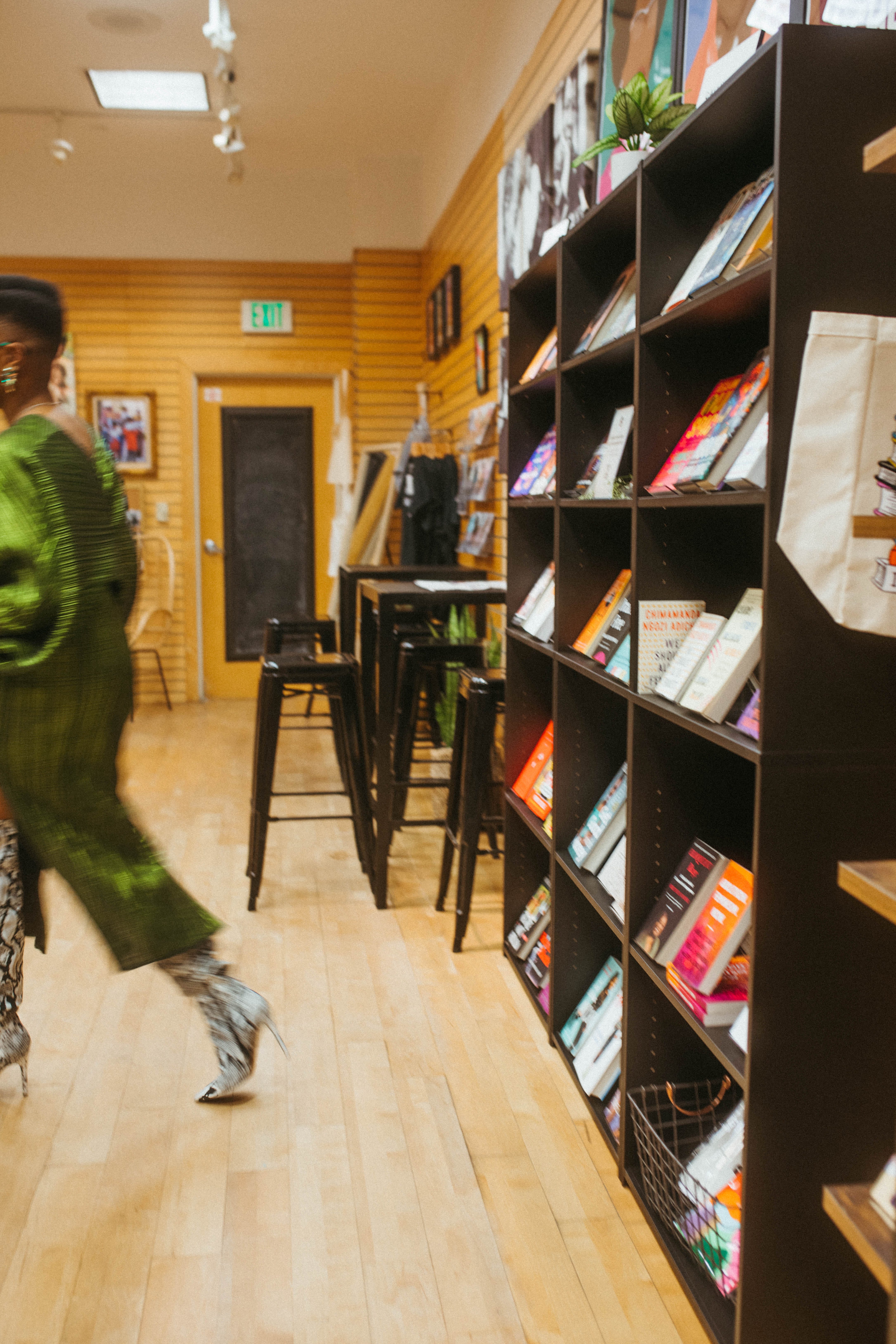
Maybe that’s why Lucille Clifton’s “won’t you celebrate with me” keeps following me. When Clifton writes, “come celebrate with me that everyday something has tried to kill me and has failed,” I don’t read that line casually. I hear it like scripture for survival. I hear it as testimony from a Black woman who knew what it meant to shape a life without a model, to stand between starshine and clay, and to call celebration into the room without pretending life had been easy.
I keep returning to that poem because I know what it means to make something without a model. I know what it means to become while grieving. I know what it means to build while tired, to celebrate while surviving, and to keep showing up even when something in your life has ended and the next thing hasn’t fully introduced itself yet.
Celebration, for me, has never been shallow. It’s never been about pretending everything is fine or throwing glitter over grief. Celebration is testimony. Celebration is resistance. Celebration is the decision to honor what’s still alive after life has tried to take too much. It’s the deep breath after the hard season. It’s the table set after the storm. It’s the laughter that comes back slowly and surprises you. It’s the moment you realize you’re not who you were, and somehow, by the grace of God, that’s good news.
The vision was born from that kind of celebration.
It came from the belief that Black women don’t have to wait until the world catches up to us before we honor ourselves. We can build the shelf, set the table, make the room, tell the story, and gather the books that remind us we’ve always been worthy of study, beauty, care, and remembrance.
I thought I was building a bookstore, and in many ways, I still am. The shelves look different now. The room has changed. The work moves through essays, book lists, pop-ups, conversations, digital spaces, future gatherings, and whatever else God gives me the courage to build. But the heart of it hasn’t disappeared. I’m still making space for Black women’s stories to be read, remembered, and celebrated.
For me, part of the answer has been this work I started in 2021. Part of the answer has been Come Celebrate With Me. Part of the answer is this ongoing practice of writing myself toward clarity, even when the map is incomplete. I’m learning that the work doesn’t disappear just because the room changes. Sometimes the room was only the beginning. Sometimes the thing you built has to change shape so you can finally understand what it was trying to become.
I thought I was building a bookstore.
Now I can see that I was also building a table, an archive, a doorway, a gathering place, and a living record of the books, women, stories, and conversations that keep calling me forward.
This time, I don’t need to make it smaller to make it make sense.
Socialight Society is bigger than books because Black women’s stories have always been bigger than the pages that carry them.
So if you’re new here, welcome. I’m glad you found your way to this table.
The books are here.
The stories are here.
I’m here too, still becoming, still building, and still celebrating the life that made it through.
What a beautiful journey. You definitely built more than a bookstore, and I’m here for it. Thank you for your vision, your dedication, pivots, and inspiration.
Vielen Dank, dass ich hier Platz nehmen darf!