
Leftovers
Notes on remembering what fed us

Black women know how to save things. Recipes written on scraps of paper. Birthday cards tucked into Bibles. Photographs stashed inside old shoeboxes. Church programs from funerals twenty years ago. Half-used jars of grease near the stove. Stories passed around kitchen tables so many times they start sounding like scripture.
And of course, leftovers.
Baby, take a plate home.
One of the holiest phrases in the Black household canon.
And it’s not because anybody thinks you’re starving or thinks you can’t feed yourself. But love has always sounded like making sure people leave nourished. Love sounds like aluminum foil crinkling over warm dishes. Like somebody insisting you take more after you’ve already said “no thank you,” twice. Like aunties packing food into mismatched containers while conversations continue in the background.
We understand something the world forgets all the time:
good things need to be preserved.
Not just food.
Joy too.
Especially joy.
I’ve been saving little things for a junk journal I haven’t started yet.
Movie ticket stubs. Receipts. Notes. A Trader Joe’s bag that once held flowers bought for me by a friend.
Tiny evidence that I was here.
That something beautiful happened.
That somebody loved me gently for a moment.
None of it looks important sitting by itself. Together though, it starts to feel like an archive of tenderness.
And honestly, I feel like, Black women have always known how to build archives from ordinary things.
We come from people who held onto goodness while living through hard times. Women who seasoned food while carrying grief. Women who braided hair and paid bills and buried loved ones and still found reasons to laugh loud enough to shake the whole kitchen. Women who knew life could turn difficult quickly, so when joy showed up, they honored it properly.
A while back, I wrote a poem called Leftovers:
baby, hand me the plastic wrap
mama needs to preserve this moment
tear me off a piece big enough
to cover up this smile
press in a bit,
careful not to rip it
we’ll feast on these good memories
over the days to come
been a while since we
ate like this
pray it keep, and
don’t spoil too quick
folks act like they hate leftovers
when most meals taste better
the next day, anyway
You probably noticed the poem isn’t abut food at all. It’s about preserving moments before life moved too fast to hold them properly. Trying to keep joy from slipping away unnoticed. About wanting tenderness to last a little longer.
Because there are moments you don’t fully understand while they’re happening. You keep moving through them. Keep mothering. Keep praying. Keep surviving. Then one day you look back and realize you were standing inside something sacred the whole time.
That’s what memory does.
It returns us to moments we were too overwhelmed to fully hold when they first arrived.
Remembering is holy work.
I watched In Our Mothers’ Gardens a few years ago, and Koko Zauditu-Selassie talked about how Black folks have to have a long memory.
We come from people who survived by remembering. Remembering recipes. Remembering family stories. Remembering warnings. Remembering songs. Remembering how God made a way before.
But whew… at 40, my memory ain’t as long as it used to be.
So I write things down.
I save evidence.
That receipt from dinner with a friend.
The movie ticket stub.
The note somebody wrote in my birthday card.
The Trader Joe’s bag.
The objects themselves aren’t all that important, but I know how easily beautiful moments disappear when nobody stops long enough to preserve them.
Scripture says,
“Bless the Lord, O my soul, and forget not all His benefits.”
Forget not.
As if God already knew how easily people lose sight of grace once life gets busy again.
Forgetting happens quietly. Another bill shows up. Another responsibility. Another hard season. Before long, we stop honoring the ways we’ve already been carried.
So much of our lives gets spent making sure everybody else is fed that we barely sit long enough to taste our own joy before moving onto the next thing.
But memory asks us to pause.
To look again.
To say:
Wait.
That mattered.


The soft morning mattered.
The laughter mattered.
The friendship that held you together for a season mattered.
The prayer that carried you through the night mattered.
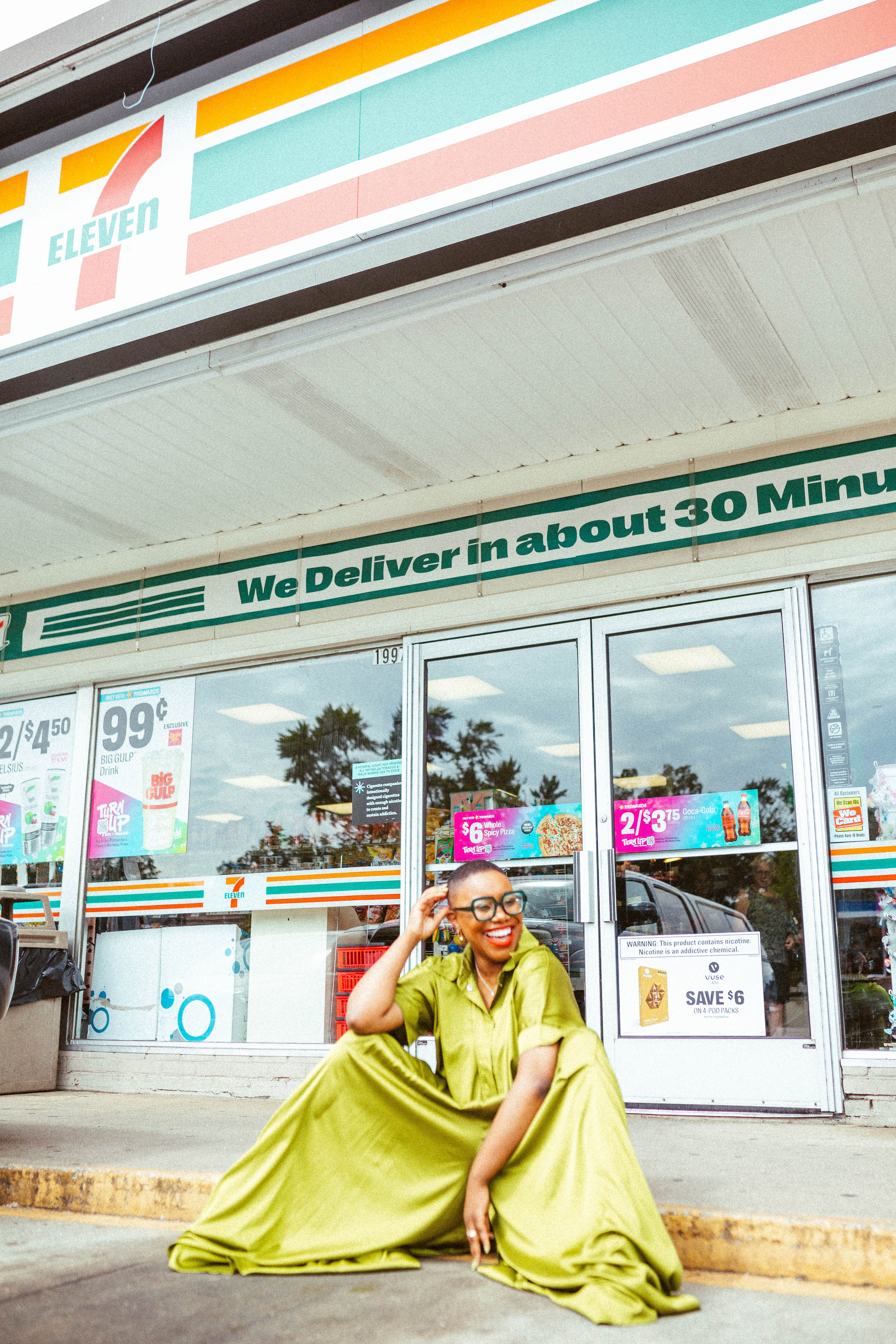
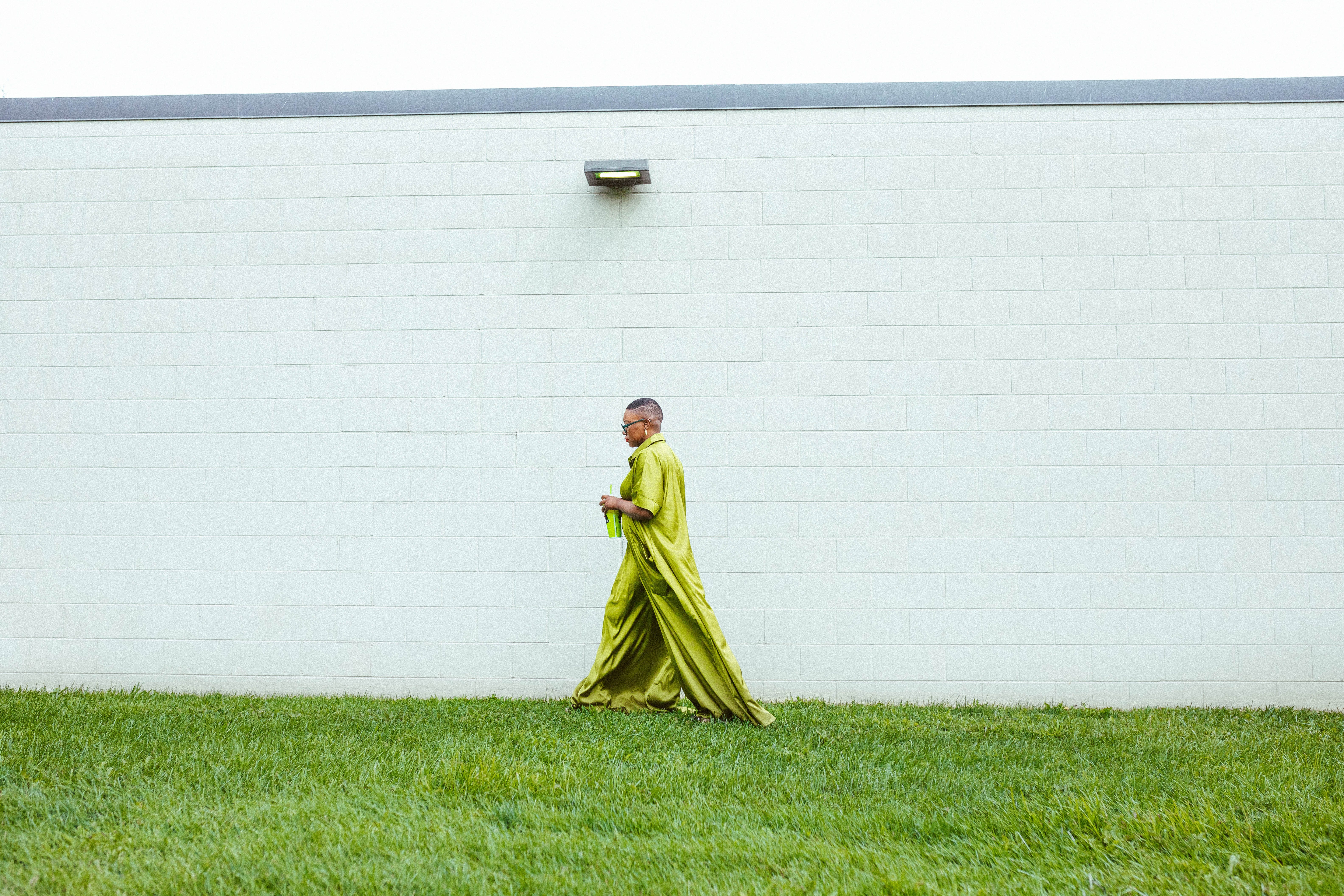
The quick trip to 7 Eleven in your fave green jumpsuit mattered.
The version of yourself that survived mattered too.
That’s why I think celebration is more than happiness. Celebration is archival. Celebration says this moment deserves to be remembered. Celebration says joy belongs in the historical record too.
People document Black pain constantly. The struggle. The statistics. The survival stories. Those stories matter.
But I also want somebody to remember the beauty.
The way we laugh until we can’t breathe.
The way aunties dance in kitchens.
The way church mothers wrap peppermints in handkerchiefs inside their purses.
The way we gather around tables after funerals because grief and food have always known each other well.
The way Black women keep making homes out of nearly nothing.
The way joy keeps finding us anyway.
Leftovers feel deeply spiritual to me.
They’re proof there was more than enough for people to gather around the table in the first place. Proof somebody cooked. Somebody served. Somebody laughed. Somebody stayed long enough to feel full.
Leftovers are memory with a lid on it.
Some things do get better with time.
In this season, I’m trying not to rush past beauty while it’s happening.
Trying to let tenderness stay awhile.
Black women have always known how to save what matters.
We wrap it carefully.
We carry it home.
We return to it when the days get difficult.
We call it leftovers.
We call it memory.
We call it grace.
Some posts throughout this space may include affiliate links to books, products, and resources I genuinely love. Purchases made through those links help support Socialight Society, my love letter to Black women, storytelling, gathering, and the work of creating spaces where we can be seen fully.
And thank you, always, for being here.
This was beautiful! I may need to go through my drawer of saved memories later.
“Archives of tenderness” yes yes yes!