
What Lucille Clifton Taught Me About Celebration
Notes on survival, witness, and the words that named this work

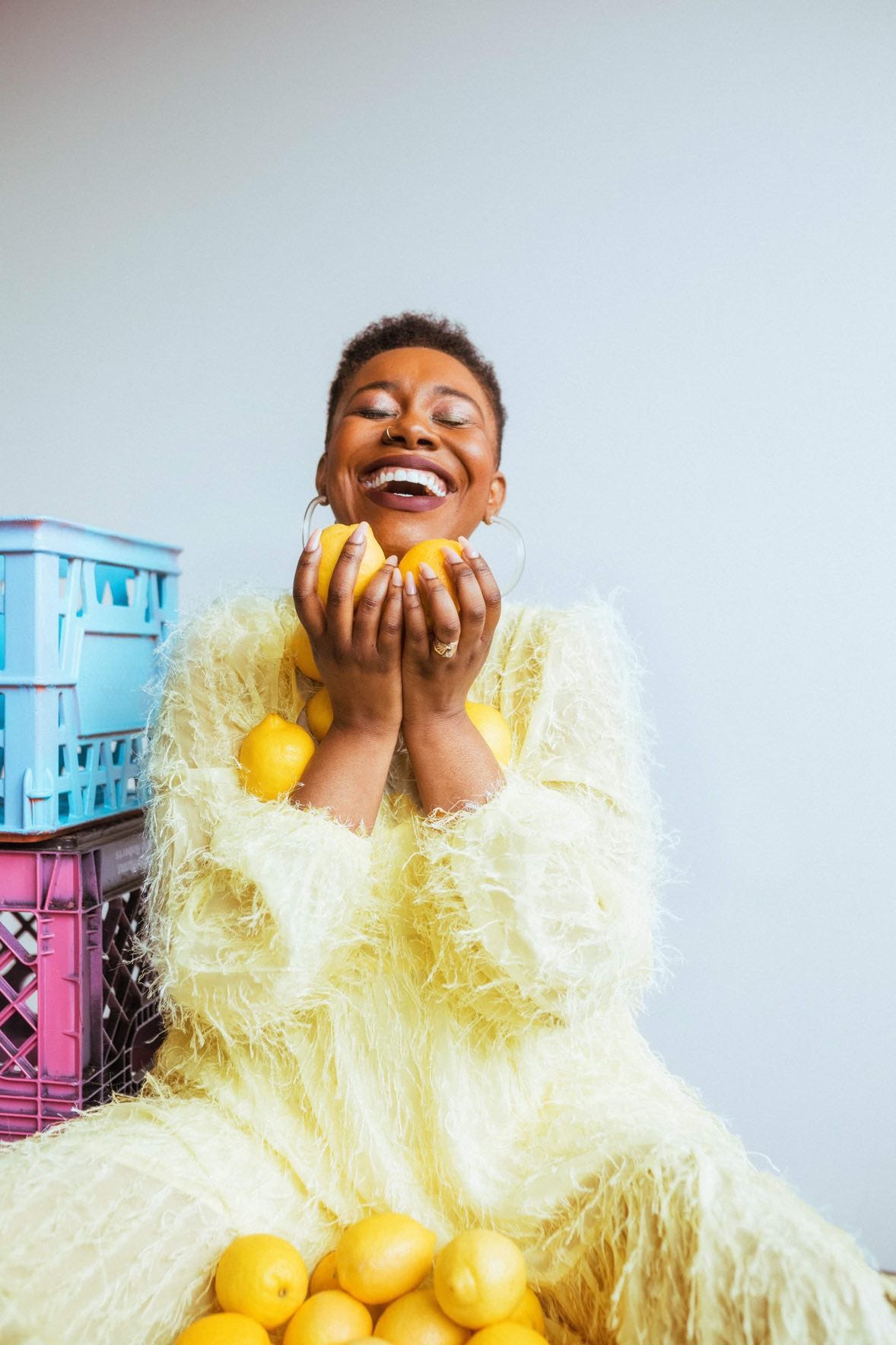
Before Come Celebrate With Me had a shape, it had a phrase.
A line from Lucille Clifton’s poem “won’t you celebrate with me” kept opening every time I returned to it:
“come celebrate
with me that everyday
something has tried to kill me
and has failed.”
Those are the words that found me.
Come celebrate with me because I’m still here. Because the story kept going. Because there are days when being alive feels ordinary, and there are days when I know better.
When I first read those lines, I recognized something.
She was telling the truth about survival and still calling it celebration. She wasn’t waiting for the story to become pretty. She wasn’t pretending nothing had happened. Something had tried to kill her.
And failed.
That’s a testimony right there.
Her words found me a few years ago, during a season when I was carrying the fear of a breast cancer scare and the grief of losing my grandma. My body felt uncertain. Home felt different without her in the world. I was trying to keep living while death felt close enough to touch.
So when I read, “come celebrate with me that everyday something has tried to kill me and has failed,” I didn’t hear a clever line. I heard permission.
Permission to tell the truth about what I was afraid of. Permission to grieve what I had lost. Permission to notice that I was still here.
That’s what opened the poem for me. The honesty of it. The nerve of it. The decision to celebrate while the truth was still standing in the room.
So often, we save celebration for the end of the story. We wait until everything settles down and we can speak without our voices shaking. Until we’ve healed enough, forgiven enough, and figured out what it all meant.
Meanwhile, life is happening now.
Sometimes celebration is crying in the bathroom, washing your face, and walking back out because your children need you. Sometimes it’s laughing from your belly after a season when laughter felt far away. Sometimes it’s putting on your earrings, catching yourself in the mirror, and realizing, Girl, you are still here.
There’s wonder in that.
There’s history too.
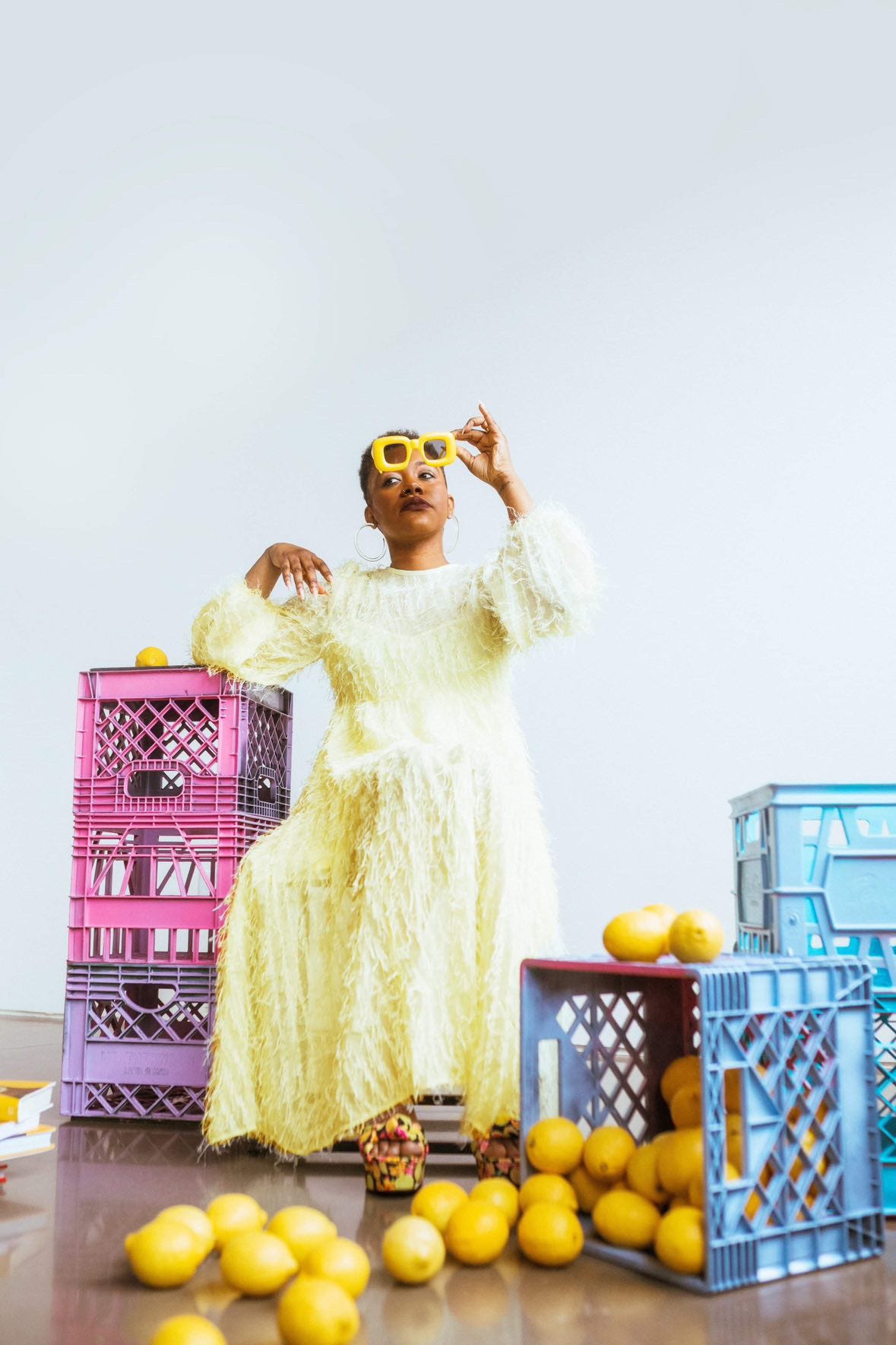
Joy has had to find some of us in the middle of things. She’s sat beside us while the dishes soaked and the bills waited. She’s slipped into the car through an old song. She’s met us in the kitchen while we were fixing a plate.
Sometimes she arrived quietly enough that we almost missed her.
That’s the kind of celebration I want Come Celebrate With Me to hold. A celebration that can tell the truth. One that makes room for the life we’re living now, with its questions, its laughter, its losses, and the parts we haven’t found language for yet.
The poem taught me that celebration doesn’t require a finished story. It can happen while we’re still finding our way. While some things remain tender. While we’re learning how to live inside a life we didn’t plan for.
We can tell the truth about what happened and still honor the woman who came through it.
We can thank God for survival without calling the suffering good.
We can celebrate because something tried.
And failed.
That’s where this work begins.
With a poem.
With a life that survived.
With an invitation to come close enough to notice.
I’m still learning what those words can hold. Maybe I always will be.
The story is still unfolding.
A Small Lucille Clifton Reading List
I’m reading Lucille Clifton in a season when I’m learning how to begin again without pretending nothing happened. I’ve closed some doors, returned to parts of myself I had set down, and found my way back to poetry as one of the places I know how to tell the truth.
Her work feels right for this season.
Here are a few places to begin if you want to read alongside me.
Book of Light
This is where I’m starting. It includes “won’t you celebrate with me,” the poem that gave this work its name and keeps teaching me how celebration can hold survival, grief, and the fact that I’m still here.
Good Woman: Poems and a Memoir 1969–1980
A gathering of her early poems and prose. I’ve read this before and find myself returning to it, wanting to spend more time with the questions she carried about womanhood, family, the body, and becoming.
Next: New Poems
Poems about memory, aging, family, and staying alive long enough to understand your life differently. That feels especially close to me right now.
How to Carry Water: Selected Poems of Lucille Clifton
A good place to begin if you’re meeting her for the first time and want to move through poems from across her life.
Generations: A Memoir
A small book about family history, lineage, memory, and the stories that survive because somebody chose to keep telling them.
I’m not trying to rush through her work. I want to read slowly, underline what finds me, and pay attention to what her words open in my own life.
That’s a big part of this season too: returning to the writers who help me recognize myself.
Some posts throughout this space may include affiliate links to books, products, and resources I genuinely love. Purchases made through those links help support Socialight Society, my love letter to Black women, storytelling, gathering, and the work of creating spaces where we can be seen fully.
And thank you, always, for being here.
Next: New Poems sounds very prescriptive for me right now. Thank you for celebrating and holding space for us, sis. 🙏🏾✨️