
What My Grandmother Taught Me About Gathering
Notes on the table that held us

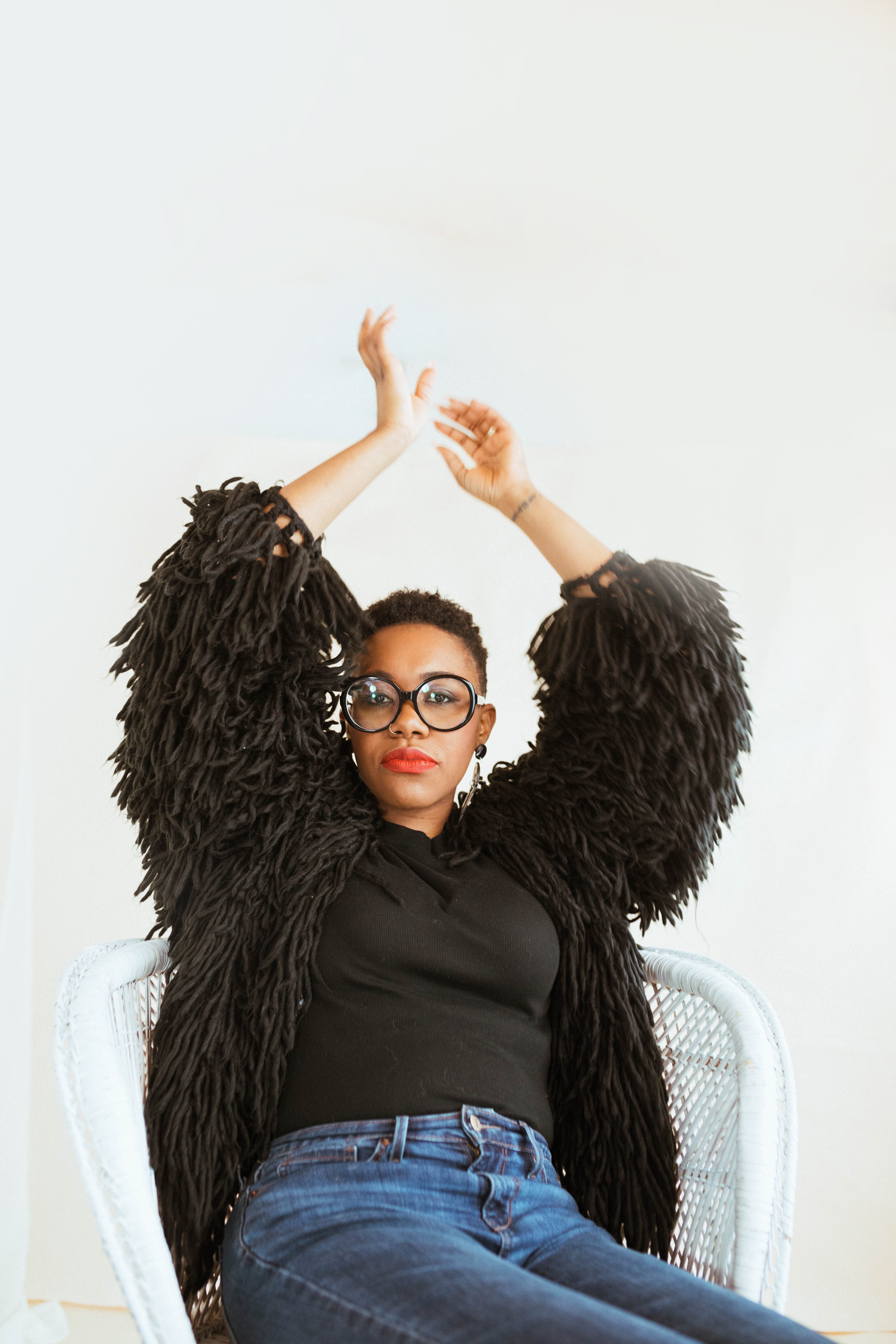
I am Nyshell Imari, daughter of Marcia Sarah, daughter of Bertha Lee, daughter of Velma Lee, daughter of Mandie Lee, daughter of Elizabeth.
Alice Walker once wrote in In Search of Our Mothers’ Gardens, “How simple a thing it seems to me that to know ourselves as we are, we must know our mothers’ names.”
Marcia.
Bertha.
Velma.
Mandie.
Elizabeth.
And one day, my daughters will add my name to the list.
My people come from Brookhaven.
I come from women who prayed without ceasing and created without asking. Women who made a way when there was nothing laid out in front of them. Women who did not wait to be chosen.
I exist because of them.
Because they prayed, danced, worshipped, dreamed, travailed, birthed, nurtured, endured, and still found language for joy.
That is the lineage I carry.
There is a question I keep coming back to.
What does it mean for Black women to imagine ourselves in spaces that were never built with us in mind?
I ask it from inside the experience. Walking into rooms and feeling what is missing before anything is said. Noticing who the room was made for. Figuring out where to sit, how to show up, what to hold and what to release.
And still, I return.
Imagination, for Black women, has always been necessary. It is how we see ourselves whole when we are only recognized in pieces. It is how we claim rest, beauty, tenderness, and interior life in places that were not designed to hold us.
But before I had language for any of this, I had my grandmother’s table.
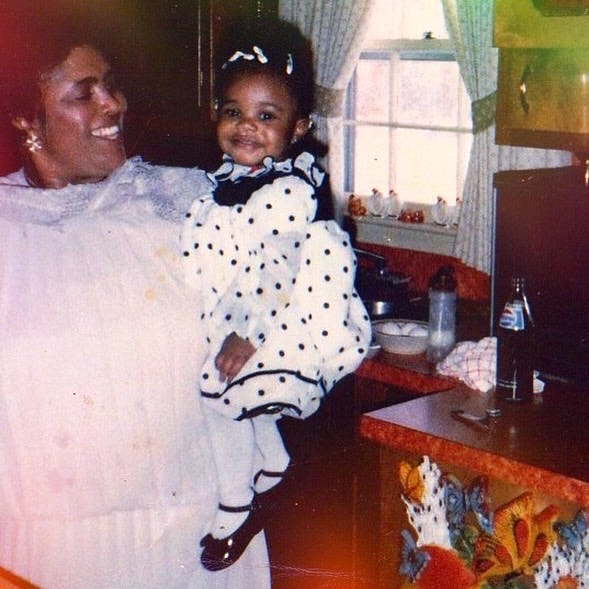
I love my mama. I do. But my mama’s mama, Velma’s daughter, was my heart.
I am the oldest granddaughter of Bertha Lee Black, and for the first seven years of my life, I was her only grandchild. I spent a lot of time at her house, even though I was raised in a home with both of my parents. My grandmother used to say she didn’t see any difference between her children and her grandchildren. She loved us the same.
I believed her because I felt it.
Her house was open. Not just to family, but to anybody who showed up. She had a way of making people feel chosen.
If you stopped by her house, expected or not, you were going to eat.
It didn’t matter if you had already eaten. It didn’t matter what time it was. You could try to say no, but she wasn’t going for that. She would look at you and let you know you were about to hurt her feelings.
And then, just like that, there would be a piece of homemade pound cake and a cold Pepsi in front of you.
That was her way.
Steady care.
A kind of everyday celebration.
But her table held more than food. It held stories. It held grief. It held laughter so loud it echoed through the house. It held side-eyes, warnings, prayers, and conversations that stretched long after the plates were cleared.
And it held secrets.
What was shared at her table stayed at her table. You could speak honestly there. You could tell the truth there. You could fall apart there. There was an understanding that what was spoken in that kitchen belonged to the people gathered around it.
But the lessons we learned there followed us everywhere.
Her table taught us how to love people. How to listen. How to pay attention. How to survive without becoming hard. How to make room for somebody else, even when life had not always made room for you.
I learned from her without realizing I was being taught.
She told me to use my own Black mind.
She told me laughing catches.
She reminded me that I wasn’t responsible for how other people treated me, but I was responsible for how I treated them.
So I learned to think.
To pay attention.
To move with care.
When I come back to that question about imagining ourselves into spaces that were never built with us in mind, I realize I had already seen the answer.
My grandmother made space.
She did it in the way she lived. The way she opened her home, fed people, and made room without deciding who deserved it.
She took what she had and made it more than enough.
In May of 2021, she became my ancestor.
And even now, I still hear her. I still find myself moving in ways she taught me, sometimes before I can name it.
Somewhere along the way, I found language for what I had already seen.
“Come celebrate with me that every day something has tried to kill me and has failed.”
-Lucille Clifton
I live by that.
I have seen women carry everything and still find a reason to celebrate.
When I think about gathering now, about making space, about celebration, I know exactly where I learned it.
I learned it at her table.
In the way she made room. In the way she noticed people. In the way she made it clear that presence mattered.
So when I say,
Come celebrate with me,
I am continuing something.
I am honoring a way of living that taught me survival is worth marking, joy is meant to be shared, and people deserve to be seen.
And if you have ever been loved by a woman like that, then you already know.
There is always room for you at the table.
I didn’t know then how much I would need what she taught me. I didn’t know how many times I would find myself looking for a table.
And even now, we are still finding ways to make room for ourselves, and for each other.
Some posts throughout this space may include affiliate links to books, products, and resources I genuinely love. Purchases made through those links help support Socialight Society, my love letter to Black women, storytelling, gathering, and the work of creating spaces where we can be seen fully.
And thank you, always, for being here.
Beautifully written. It’s such a gift to hear people share such meaningful experiences. Thank you